
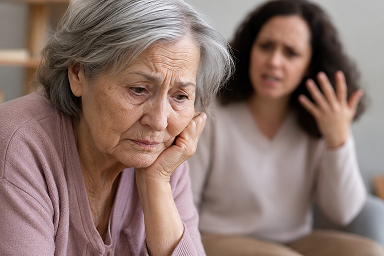
World Elder Abuse Awareness Day is observed on June 15, with the aim of raising public awareness about this issue and drawing attention to the abuse, neglect, and suffering endured by many senior citizens around the world.
What is elder abuse?
According to the United Nations, elder abuse consists of a single or repeated act that causes harm or suffering to an older person. It also consists of a failure to take appropriate measures to prevent it.
Abuse can take many forms, such as physical, psychological, emotional, or sexual abuse, and financial abuse. It can also result from neglect, whether intentional or not.
In many parts of the world, elder abuse goes largely unnoticed. Until recently, this serious social problem was hidden from public view and considered an essentially private matter. Even today, elder abuse remains a taboo subject, commonly underestimated and neglected by societies around the world. However, there is growing evidence that elder abuse is a serious public health and social problem.
The Scale of the Problem
A 2017 study, based on research conducted in 28 countries across various regions, estimated that in 2016, 15.7% of people aged 60 and older experienced some form of abuse. This figure is likely an underestimate, since only one in 24 cases of elder abuse is reported, partly because those affected are often afraid to tell their family and friends or the authorities. Consequently, all prevalence rates are likely to be underestimated.
Although rigorous data are scarce, the study has provided some estimated figures for the most common types of abuse:
- Psychological abuse: 11.6%
- Financial abuse: 6.8%
- Neglect: 4.2%
- Physical abuse: 2.6%
- Sexual abuse: 0.9%
Worldwide, the number of cases of elder abuse is expected to rise, given the rapid aging of the population in many countries and the possibility that their needs may not be fully met due to a lack of resources. It is estimated that by 2050, the global population of people aged 60 and older will have doubled, from 900 million in 2015 to about 2 billion, with the vast majority of senior citizens living in low- and middle-income countries. If the proportion of elder abuse victims remains constant, the number of victims will increase rapidly due to population ageing, growing to 320 million victims by 2050.
Making Elder Abuse Prevention Work
The theme for World Elder Abuse Awareness Day 2026 is “Beyond Awareness: Making Elder Abuse Prevention Work.”
As the population ages, there are more people with disabilities who are growing older, and many older people also develop a disability later in life. This reality calls for closer coordination between policies related to aging and disability, especially in areas such as protection, care, and community support services, which are essential for addressing elder abuse.
Elder abuse remains a reality that is often ignored and rarely reported. In light of this situation, raising awareness alone is not enough. It is necessary to strengthen prevention and response systems to effectively address cases of abuse, always ensuring the dignity, autonomy, and rights of older adults.