
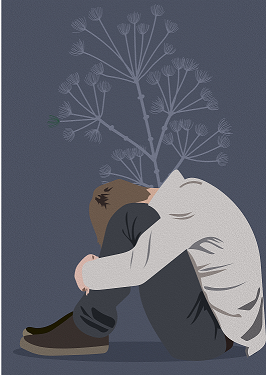
January 13 marks World Depression Day, which aims to raise awareness of the more than 300 million people worldwide who suffer from this illness.
What is depression?
Depression is a psychological disorder that causes profound changes in the way a person thinks, feels, or behaves. It is not simply being sad or in a bad mood; it is a serious condition that requires treatment and support.
People with depression typically experience intense sadness, lose interest in activities they used to enjoy, have changes in appetite and sleep patterns, feel a marked lack of energy, have difficulty concentrating, and, in severe cases, may have thoughts related to death.
Depression in children and adolescents
According to the Spanish organization Save the Children, identifying depression in children and adolescents can be more complicated than in adults, as symptoms can manifest themselves in different ways depending on age and stage of development. For example, instead of obvious sadness, they may show irritability, mood swings, or disruptive behavior.
In addition, depression often occurs alongside other disorders, such as anxiety, eating disorders, or learning disorders, which can mask the symptoms and make it more difficult to identify as an isolated problem.
Schools play a key role in prevention and early detection, which is why specialized training and ongoing education are necessary for teachers who interact with children and adolescents.
How can depression be prevented?
Caring for the mental health of children and adolescents is a major challenge. The family plays a fundamental role in the emotional and psychological development of young children, as it is within this space that they acquire key tools for managing their emotions, developing their self-esteem, and building healthy relationships.
Although we cannot always prevent them from facing difficult situations, it is essential to provide them with safe environments characterized by communication, respect, and trust. It is necessary to offer them tools to cope with difficulties and teach them to ask for help when they need it.
To this end, the organization Save the Children has developed the guide “How was your day?”, which seeks to help parents understand their children’s concerns and provide practical resources for addressing mental health in a respectful and positive manner.
Some of the recommendations included in this guide are:
- Talk, listen, and look for solutions
- Pay attention to your child’s emotions and how they express them.
- Always try to listen before speaking or giving advice.
- When you talk, do so respectfully and try to understand what is going on with them.
- Show them trust, love, and support.
- Reflect and deal with potential conflicts patiently.
- Always look for the best times to talk, avoiding tense situations. Sometimes it is better to wait than to make a hasty decision. The important thing is to look for possible solutions to difficult situations together.
- Promote a healthy lifestyle
- Encourage your son or daughter to exercise and play sports regularly.
- Make sure they get enough sleep and rest.
- Incorporate healthy foods such as vegetables and fruits into their diet.
- If you have any questions, consult a healthcare professional.
- Don’t forget to set an example by taking care of your own diet, sleep, and physical activity.
- Spend time with your children
- Find quality time and opportunities for play, movies, outdoor activities, reading stories, or discussing books, depending on your child’s age.
- Do any activity that they might enjoy and that allows you to share time and experiences as a family.
- Help them recognize and talk about their emotions
- Children also feel fear, anger, or joy, and often don’t know why. It is important to talk to them to identify what they are feeling so they can learn to manage it in the most appropriate way.
- You can explain that there are no good or bad emotions, right or wrong emotions. They are simply there to let us know that something is happening.
- Dealing with situations that generate unpleasant emotions and enjoying pleasant ones are fundamental life lessons.