
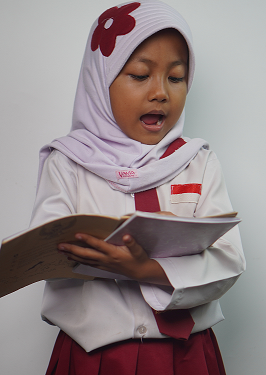
The first Wednesday in February marks World Read Aloud Day, which aims to highlight the importance of reading aloud, raise awareness of literacy as a human right, and encourage the creation of reading communities and groups.
Origin of World Read Aloud Day
This global day was created in 2010 on the initiative of the international organization Lit World, with the aim of promoting the habit of reading, helping to forge links between readers, writers, and storytellers, and facilitating the acquisition of knowledge.
The celebration of this date also demonstrates support for literacy.
What are the benefits of reading aloud?
Reading aloud offers multiple benefits. Some of them are:
- Improves diction.
- Strengthens memory.
- Promotes reading comprehension.
- Stimulates the imagination.
- Benefits neurological and emotional development in children.
- It reduces school dropout and repetition rates.
- It enriches vocabulary.
- It improves communication skills.
- It reduces stress and anxiety levels.
- It helps us to be more empathetic.
The importance of interactive reading aloud to preschool and school-age children
According to the Spanish Association for Reading Comprehension, interactive reading aloud to preschool and school-age children is a critical activity, both for developing their ability to understand spoken and written language and for building their knowledge of the world.
Data collected from various studies confirm this, indicating that adults reading aloud while interacting with children promotes the development of their linguistic and cognitive abilities. It is a practice that awakens a love of reading, while improving their vocabulary and oral language, stimulating their ability to construct knowledge, and developing their reading skills.
Comprehension of spoken language is one of the most important predictors of written language comprehension in childhood. Thus, repeatedly hearing impoverished spoken language manifests itself in low levels of reading comprehension and knowledge construction. Conversely, oral language enriched through shared and interactive reading aloud practices with pre-readers or primary school readers using narrative and informative texts predicts a progressive improvement in written language comprehension and learning.
It is important for both teachers and parents to engage in read-aloud practices with preschool and school-age children, as this action reveals to preschoolers the idea that print has meaning, stimulates active interaction between children and the reader about the content of what they hear, shows them the pleasure of reading, provides a model of expert reading, sparks interest in books, encourages children to read, promotes language development, and facilitates knowledge construction.