
2025 was a challenging and impactful year in many ways, but it also represented a year of progress and achievements related to climate, the environment, and animals. At 3Love Inc., we want to share some of the most significant milestones achieved over the past 12 months.
- The rise of renewable energy
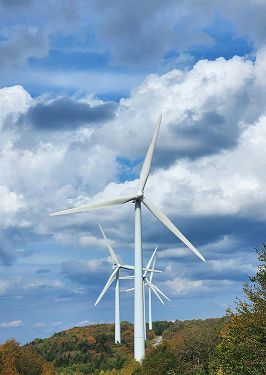
According to the BBC, wind, solar, and other renewable energy sources surpassed coal as the world’s main source of electricity this year. The global growth of renewable energy is being driven by China, which is greatly expanding its clean energy production and dominating exports of clean energy technologies. In addition to the enormous growth of solar energy, China is harnessing the energy of extreme storms with typhoon-resistant wind farms.
Other countries have also seen remarkable advances thanks to wind power. In the United Kingdom, research conducted in 2025 revealed that wind power had become the largest source of energy the previous year, covering approximately one-third of demand, while coal has virtually disappeared as an energy source. The UK is also making progress in how to store clean energy when the wind isn’t blowing (or the sun isn’t shining), with construction beginning on the world’s largest liquid air battery storage facility in the north of the country.
- Protecting the oceans
The high seas, outside national jurisdictions, make up almost two-thirds of the world’s oceans. Currently, only 1% of this vast area is protected, but that is about to change. After decades of negotiations, a global agreement to protect the high seas was finally reached in 2023, and in September 2025 it was ratified by enough countries to enter into force.
This High Seas Treaty commits to converting 30% of these waters into Marine Protected Areas (MPAs): parts of the ocean dedicated to protecting healthy marine habitats, species, and ecosystems.
- Forest turnarounds
This year, Brazil hosted COP30, the first UN global climate conference held in the Amazon rainforest, and made forests a key platform. The November negotiations in Belém, Brazil, were nicknamed the “forest COP.”
Although Brazil struggled to fully deliver on this goal, the country announced plans for a roadmap to implement a previous commitment to end deforestation by 2030. This initiative was supported by more than 90 countries.
Brazil also established a financing platform to protect existing forest areas called the Tropical Forest Forever Fund (TFFF). Its goal is to ensure that maintaining tropical forests is valued more than destroying them, with economic rewards for those who have taken successful and verified measures to conserve their forests.
- A landmark court case
The International Court of Justice (ICJ), considered the world’s highest court, issued a landmark decision this year that paves the way for countries to sue each other over climate change. This move could help nations most affected by climate change take legal action against polluting countries.
The ruling is not binding on the court itself or on national courts, but experts say the ICJ’s findings carry significant weight and could greatly influence how climate-related cases are handled elsewhere.
- Victories for wildlife
Several endangered species experienced remarkable recoveries this year, demonstrating how effective conservation measures can be in slowing or reversing biodiversity loss.
Green sea turtles, once hunted for their eggs and decorative shells, have been rescued from the brink of extinction. Thanks to decades of conservation efforts, from releasing hatchlings on beaches to reducing accidental capture in fishing nets, green turtle populations have rebounded. This year, the species was upgraded from “endangered” to “least concern” on the IUCN (International Union for Conservation of Nature) Red List. India is now home to 75% of the world’s tigers, having doubled its tiger population to over 3,600 in just over a decade.
- Progress for Indigenous Peoples
This year, Indigenous peoples were formally recognized at the UN level as leaders in the protection and management of the planet’s resources.
At the end of the UN COP16 biodiversity summit in February, indigenous peoples were given an official voice in global conservation decision-making. The agreement to establish a new standing committee enshrined this right, replacing the previously informal and symbolic status of indigenous peoples in negotiations with something lasting and formal.
- Restoration of the Klamath River
Just one year after the historic removal of four dams along California’s Klamath River, salmon have returned to their traditional spawning grounds.
Salmon had been absent from the upper reaches of the river for generations. But a campaign led by tribes succeeded in 2024 in demolishing four hydroelectric dams that had severely polluted the river for decades, allowing the mighty Klamath to flow freely again this year.