August 9 marks the International Day of Indigenous Peoples. There are approximately 476 million indigenous people living across 90 countries. These peoples make up about 6% of the world’s population, yet they are among the most disadvantaged and vulnerable groups, accounting for at least 15% of the world’s poorest people.
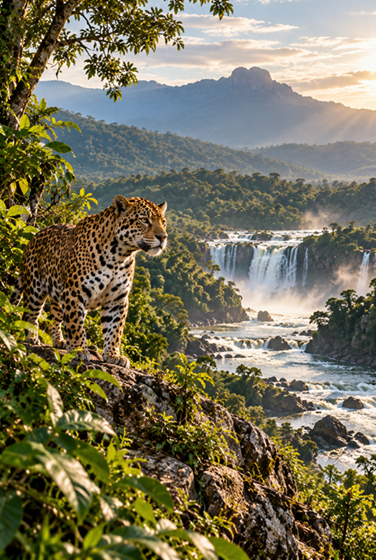
The territories where they live cover 28% of the planet’s surface and contain 11% of the world’s forests. That is why they act as guardians of most of the world’s biodiversity.
Indigenous peoples’ food systems have high levels of self-sufficiency, as they are able to produce between 50% and 80% of their food and resources.
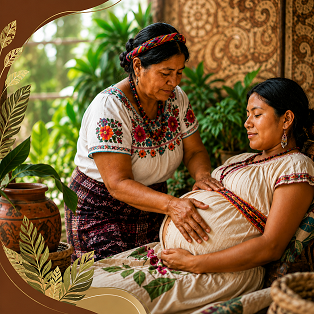
Indigenous Midwives: Safeguarding Life and Well-being
Indigenous knowledge has sustained the well-being of Indigenous peoples for generations. Rooted in holistic worldviews that connect territory, spirituality, community, and ways of life, this knowledge encompasses values, practices, and forms of care that have been developed and passed down over time.
Indigenous midwifery is a powerful expression of these knowledge systems, supporting the transmission of knowledge, strengthening cultural identity, and ensuring the continuity of Indigenous peoples’ ways of life.
However, the practice of Indigenous midwifery continues to be affected by structural barriers and discrimination that undermine the recognition of Indigenous knowledge systems within formal health care frameworks, while also limiting access to culturally appropriate care.
The theme for the 2026 International Day of Indigenous Peoples is “Honoring Indigenous Midwives: Safeguarding Life and Well-being.” Honoring Indigenous midwives is an opportunity to recognize their role as guardians of knowledge and caregivers, to reaffirm the enduring value of Indigenous knowledge systems in safeguarding life, and to promote culturally appropriate approaches to the well-being of future generations.
We Need Indigenous Peoples to Build a Better World
Indigenous Peoples have inherited and practice unique cultures and ways of relating to people and the environment. They also retain social, cultural, economic, and political characteristics that differ from those prevalent in the societies in which they live.
Despite their cultural differences, Indigenous Peoples around the world share common challenges in protecting their rights as distinct peoples.
Indigenous peoples have for years sought recognition of their identities, their way of life, and their rights to their traditional territories and natural resources.
Despite this, throughout history, their rights have consistently been ignored. Today, they are undoubtedly among the most vulnerable and disadvantaged populations in the world. The international community now recognizes that special measures are needed to protect their rights and preserve their cultures and ways of life.
To raise awareness of the needs of these populations, the International Day of Indigenous Peoples is observed every August 9 in recognition of the first United Nations working meeting on indigenous peoples, which took place in Geneva in 1982.