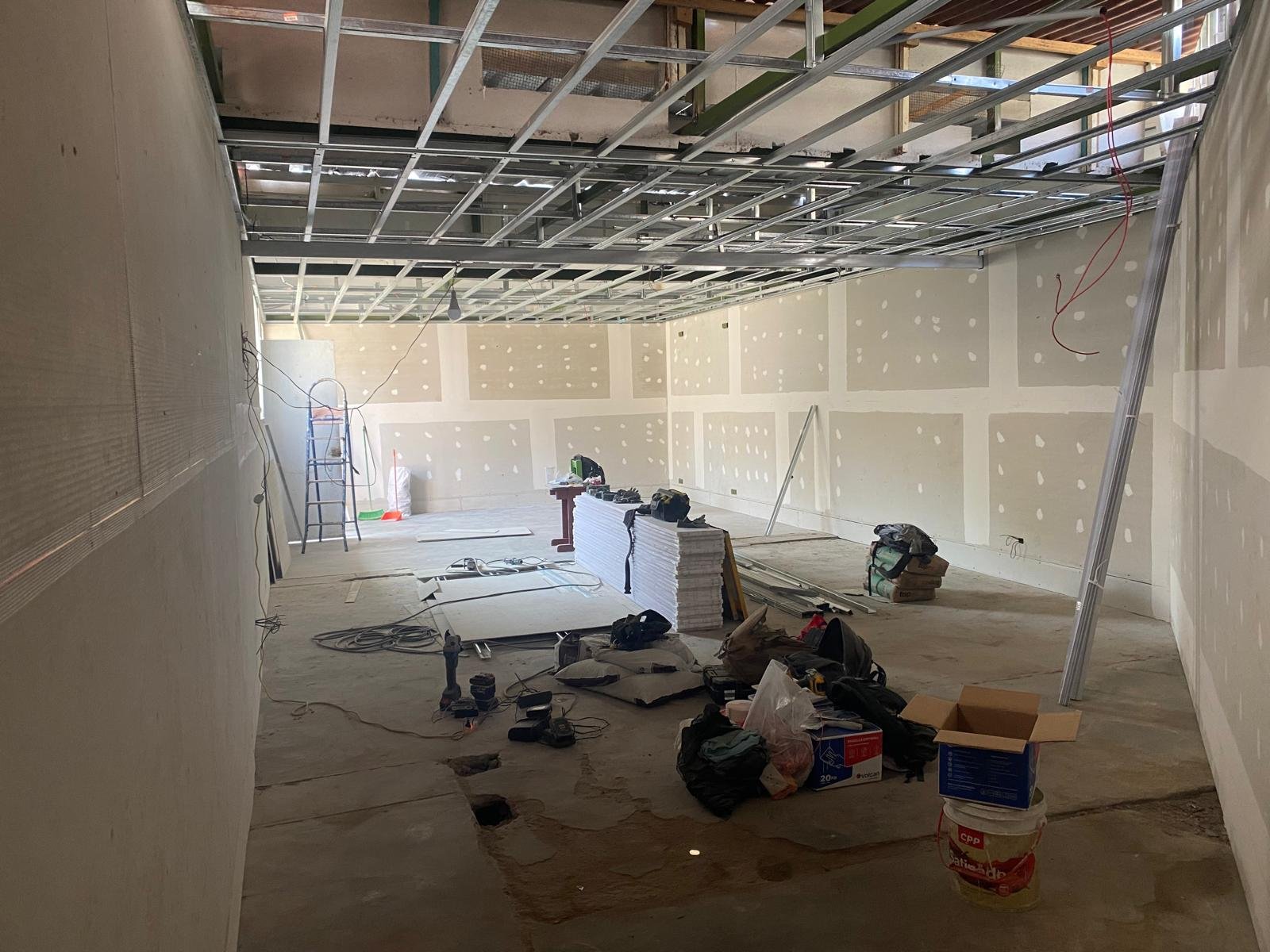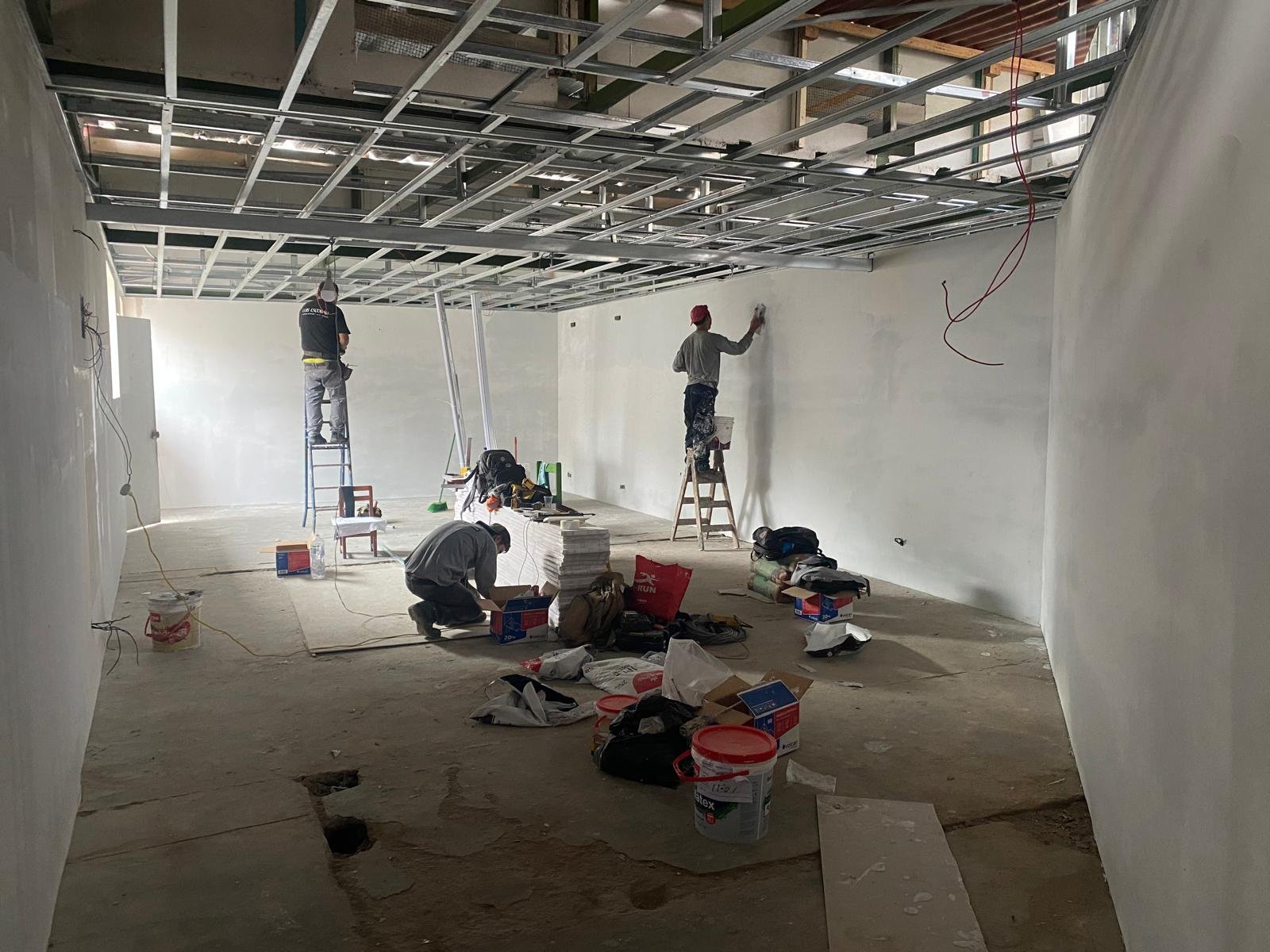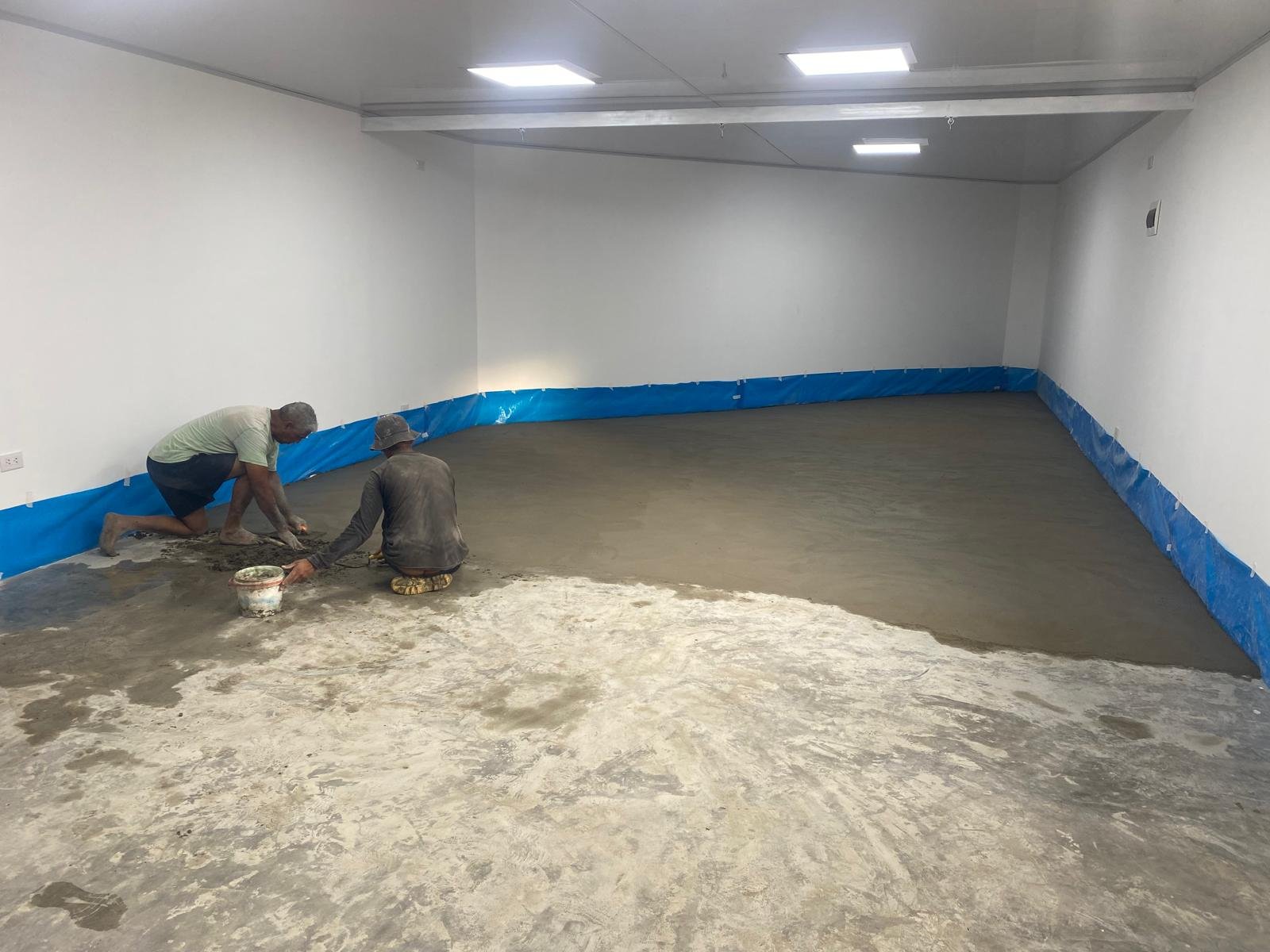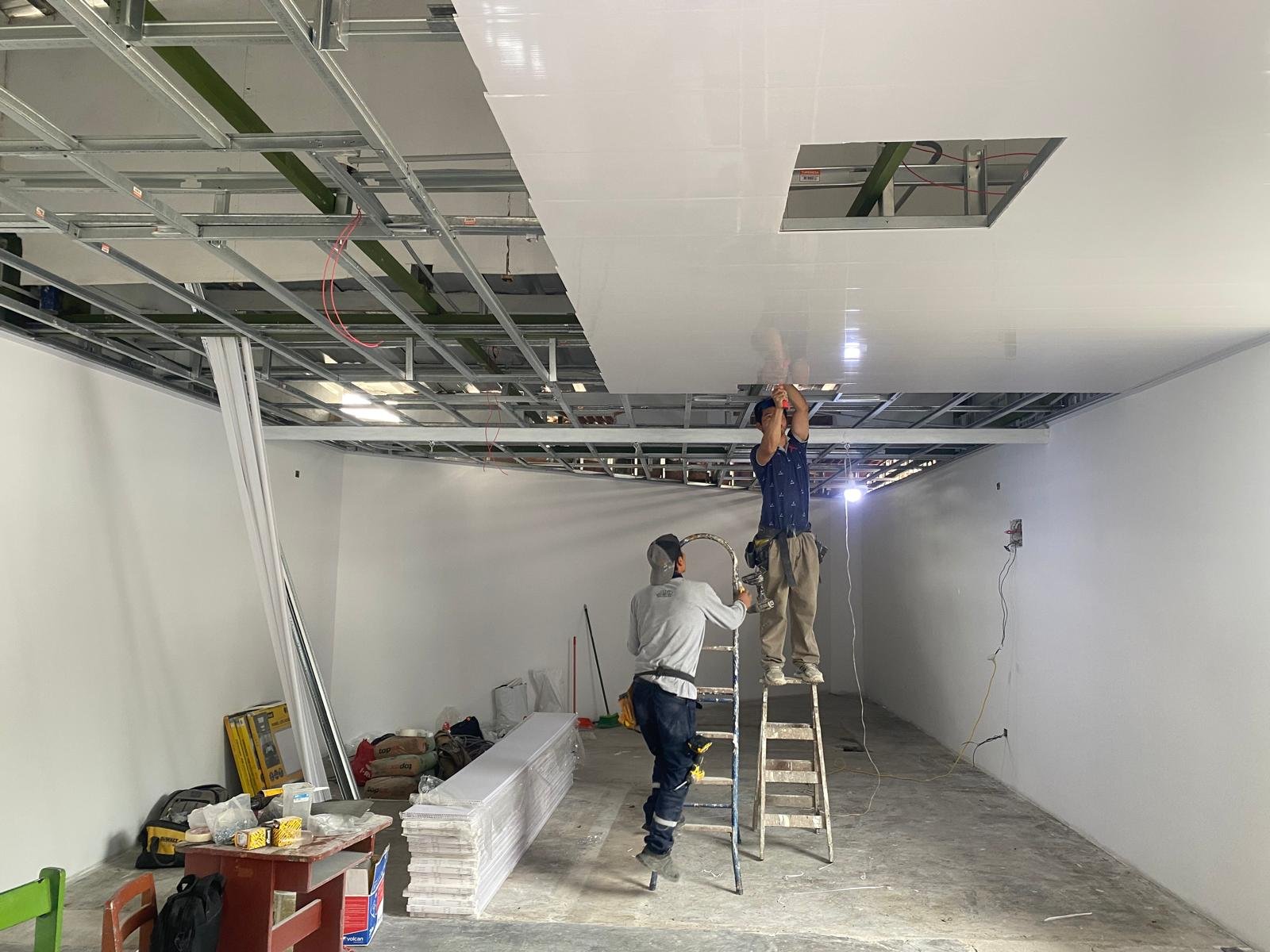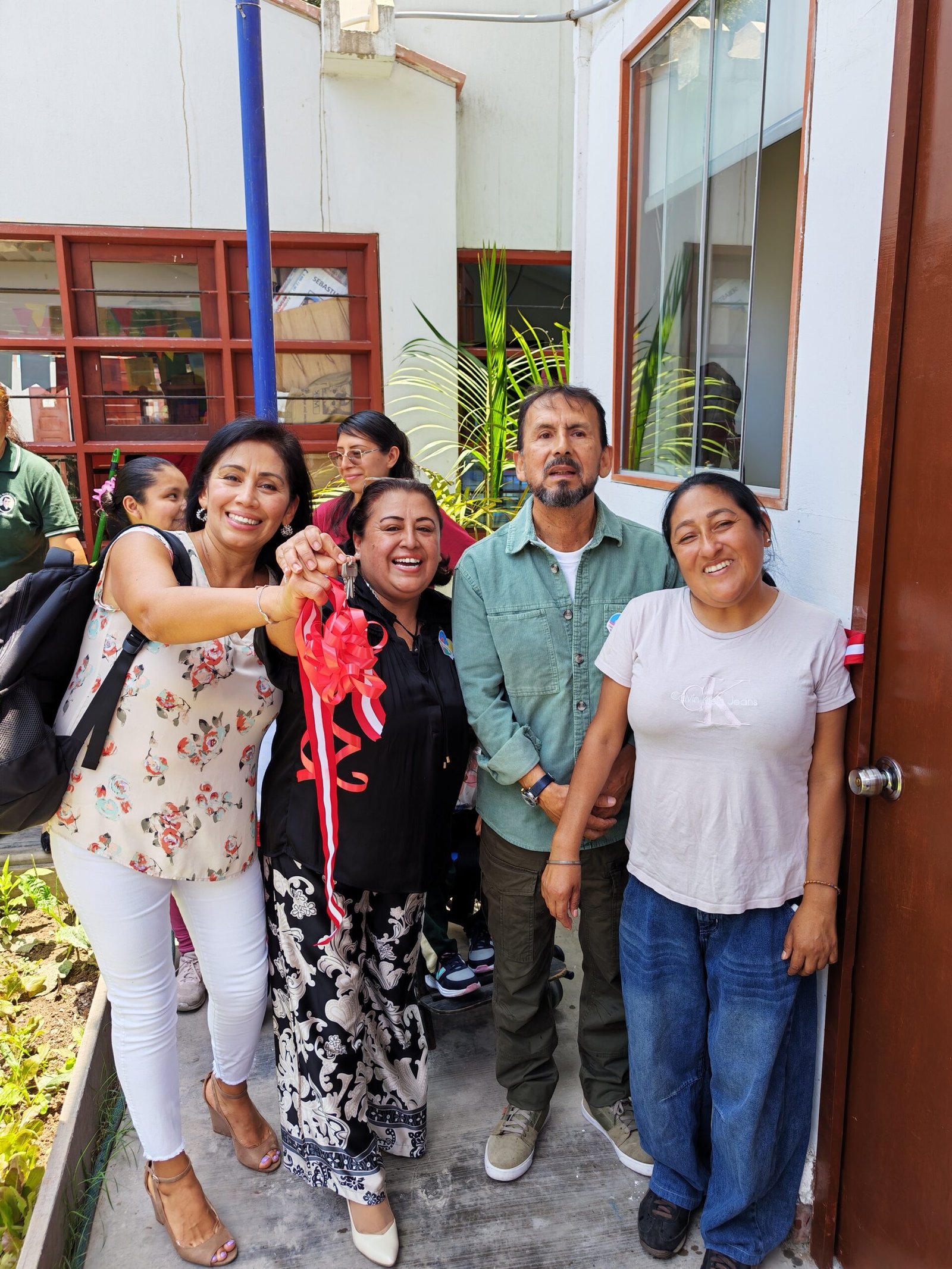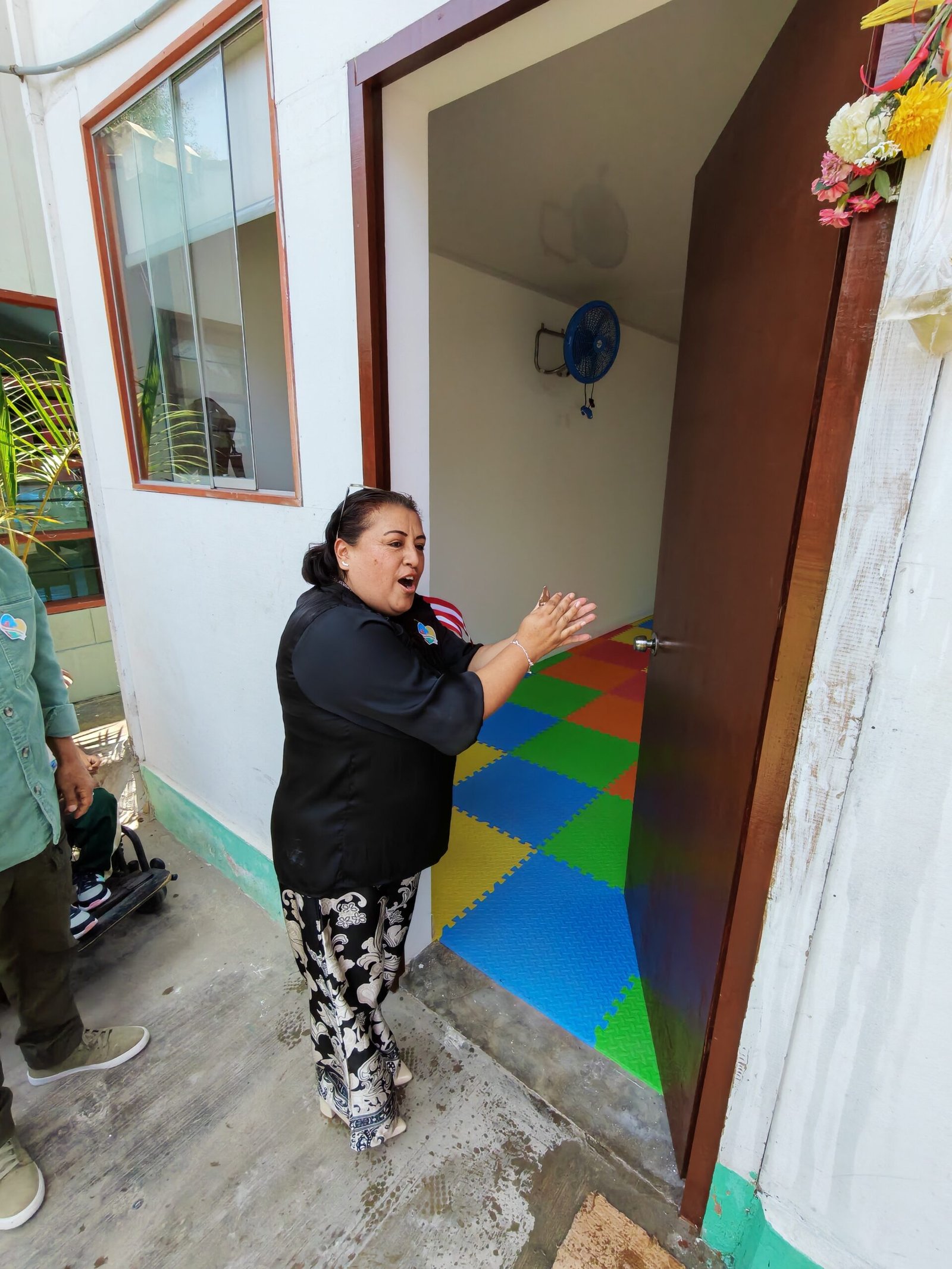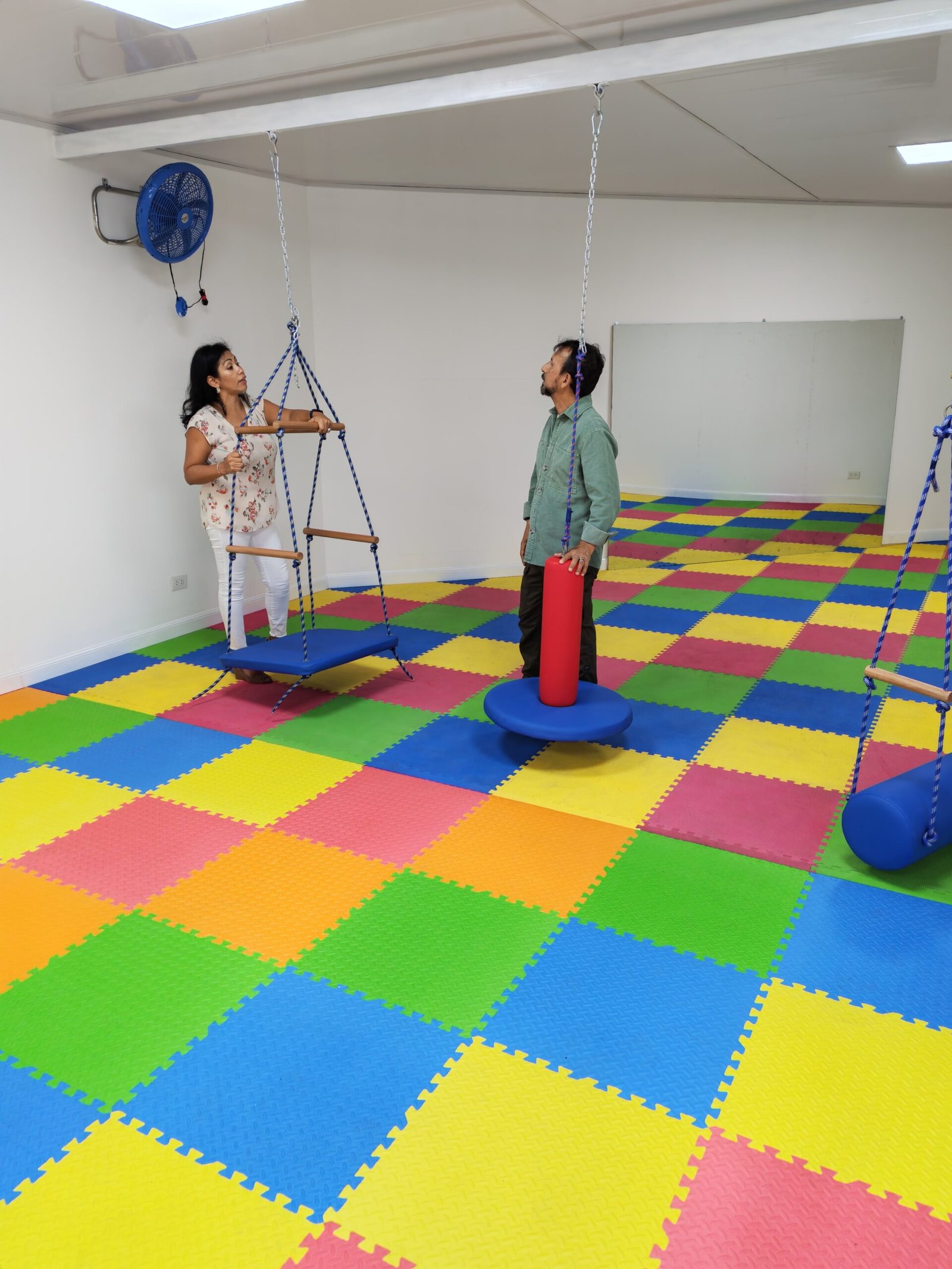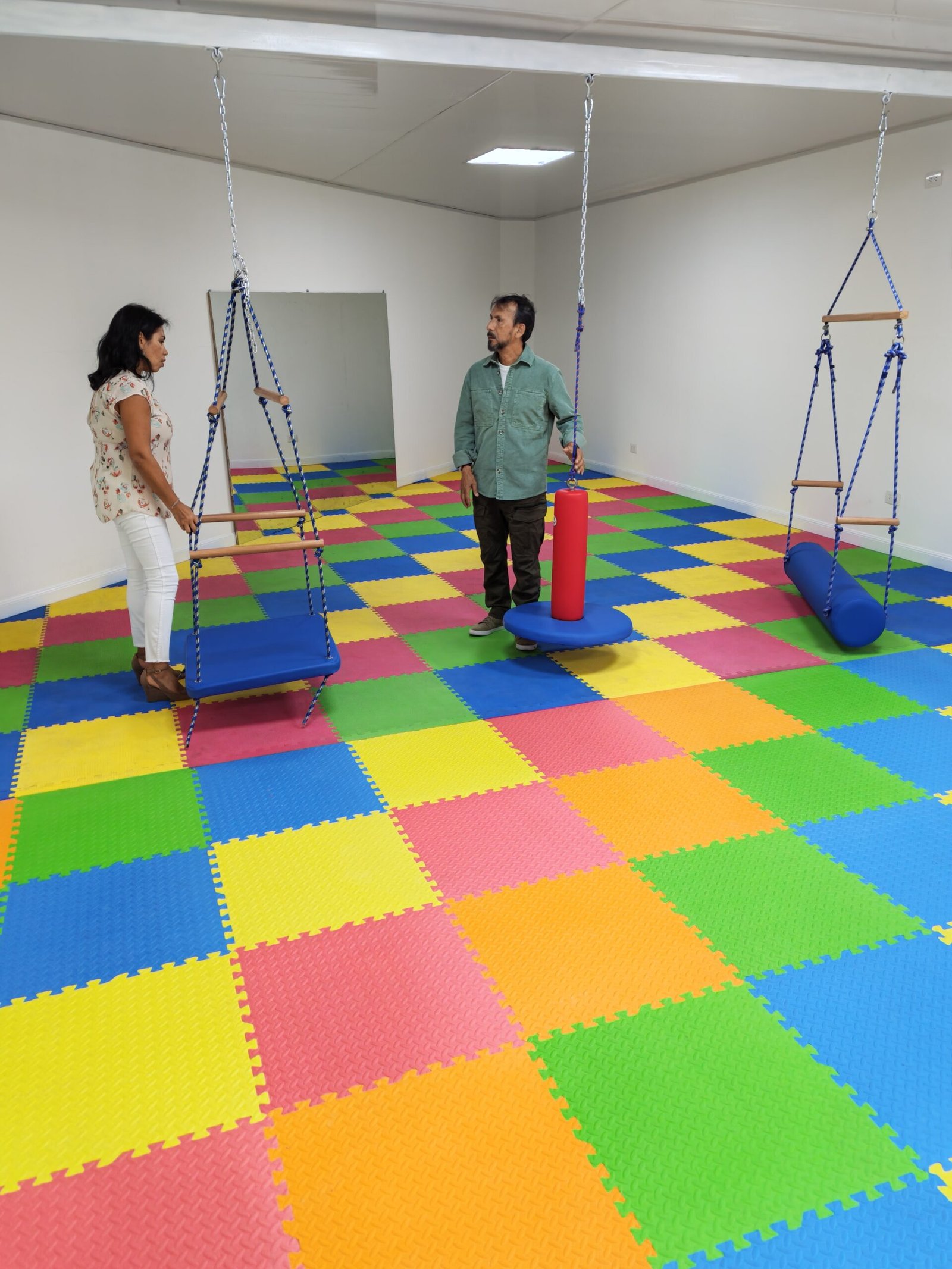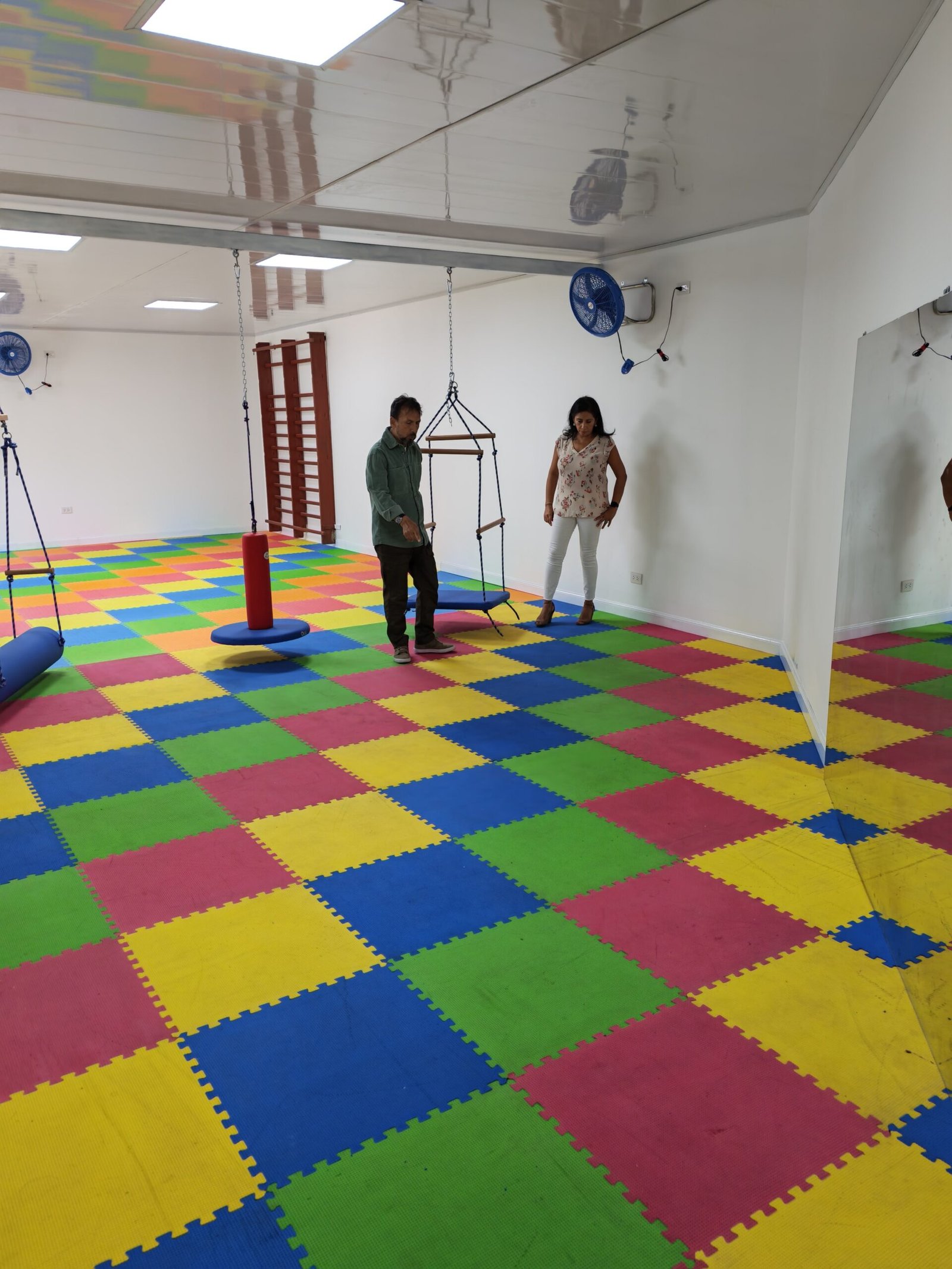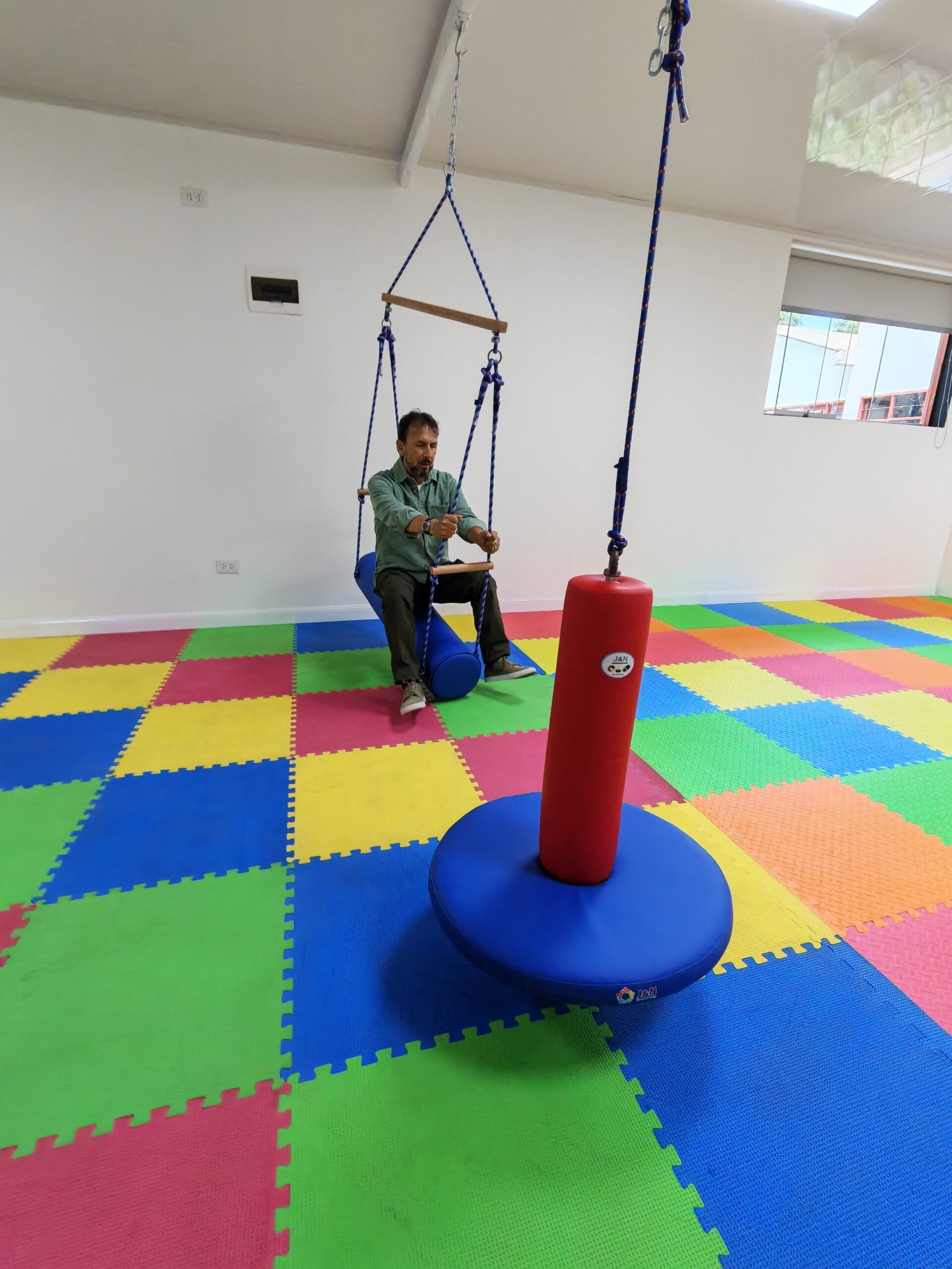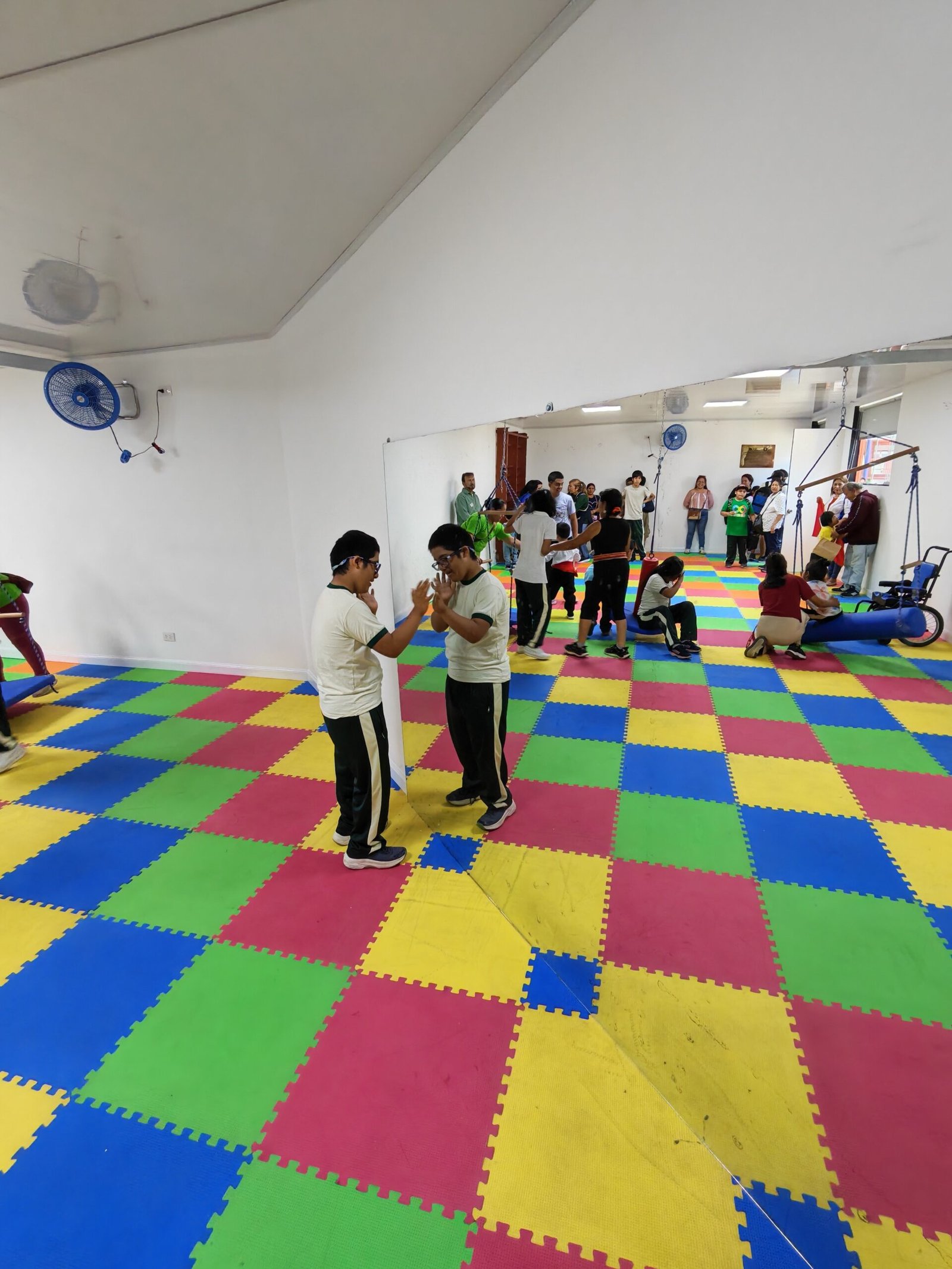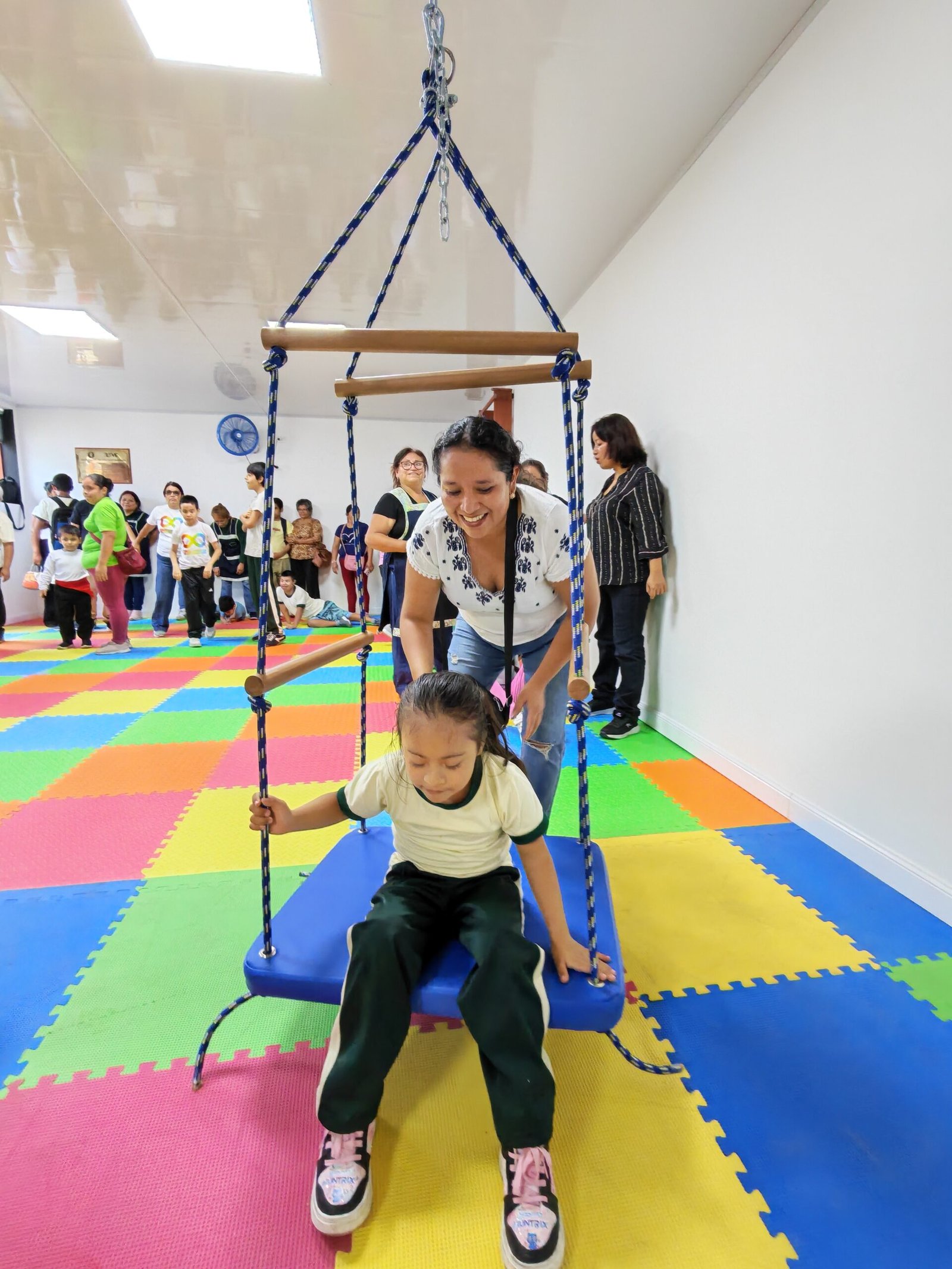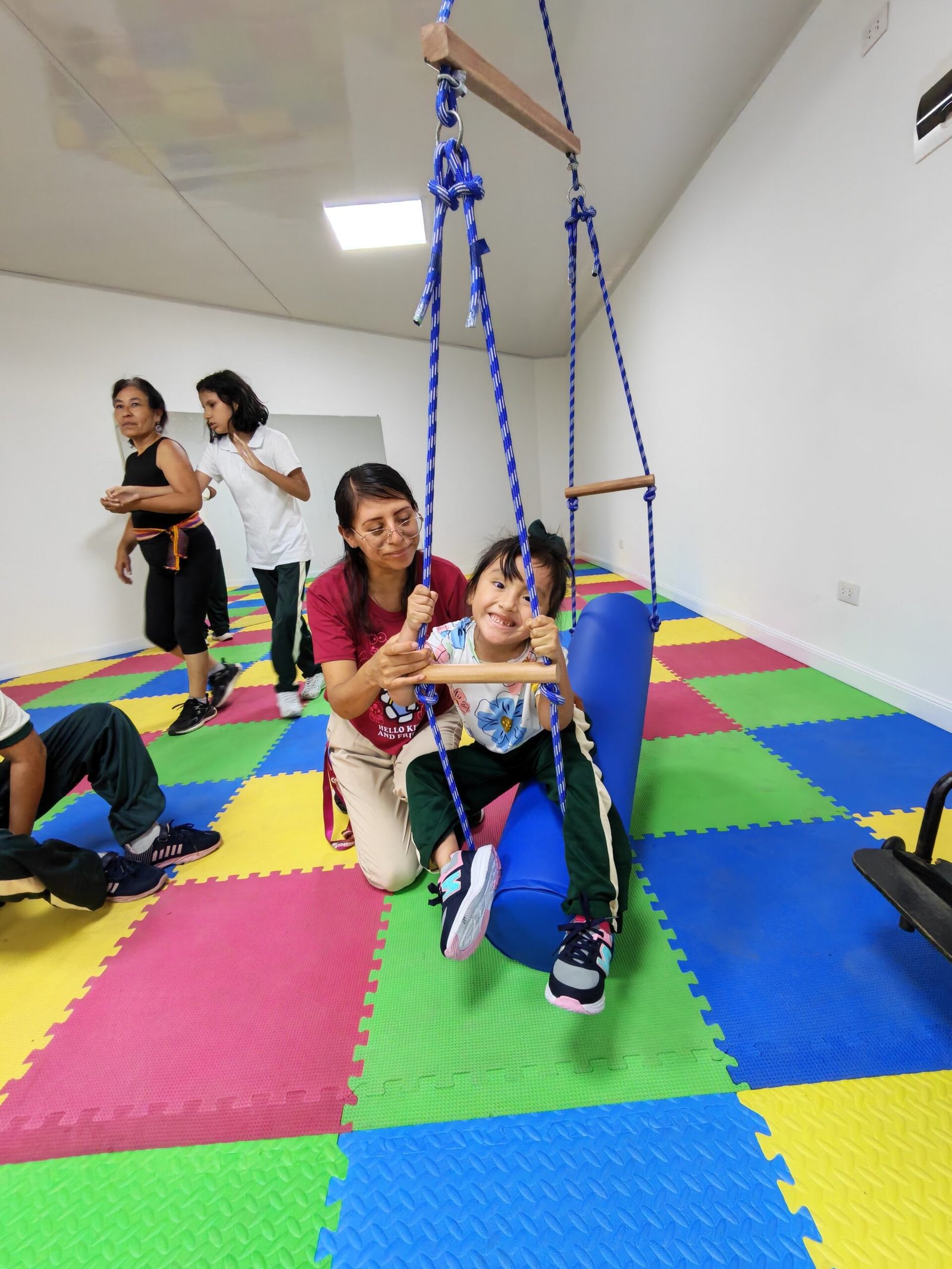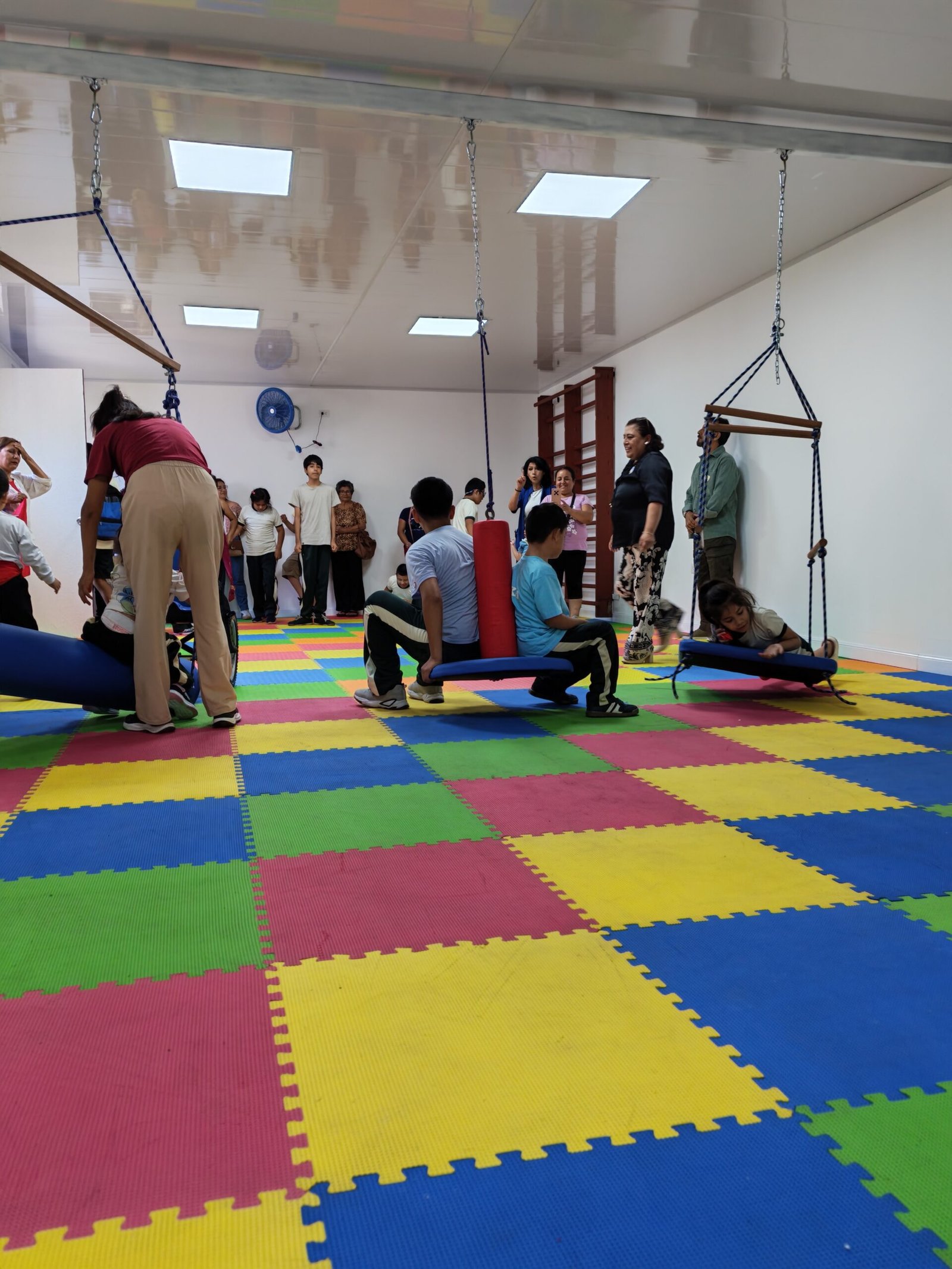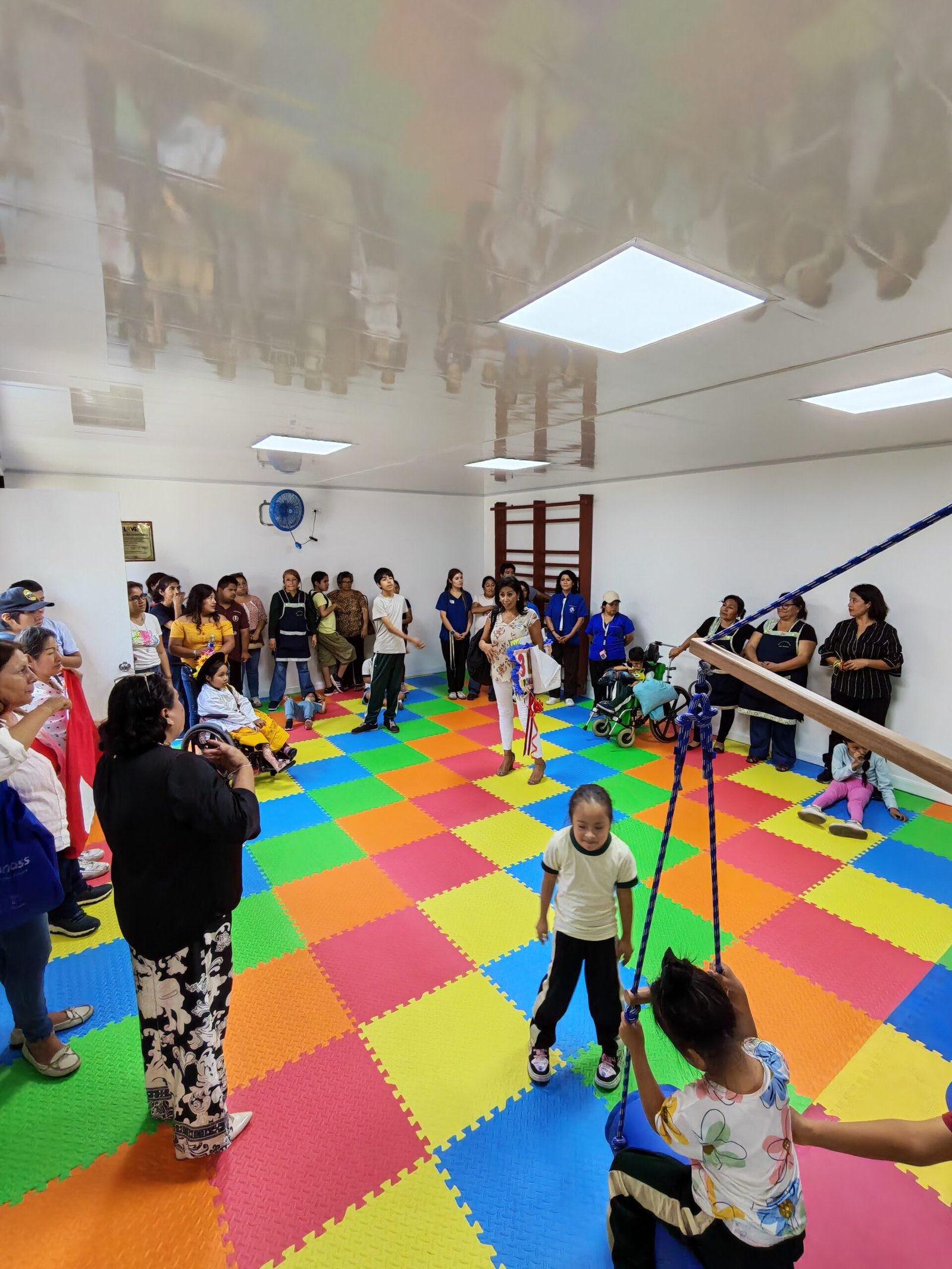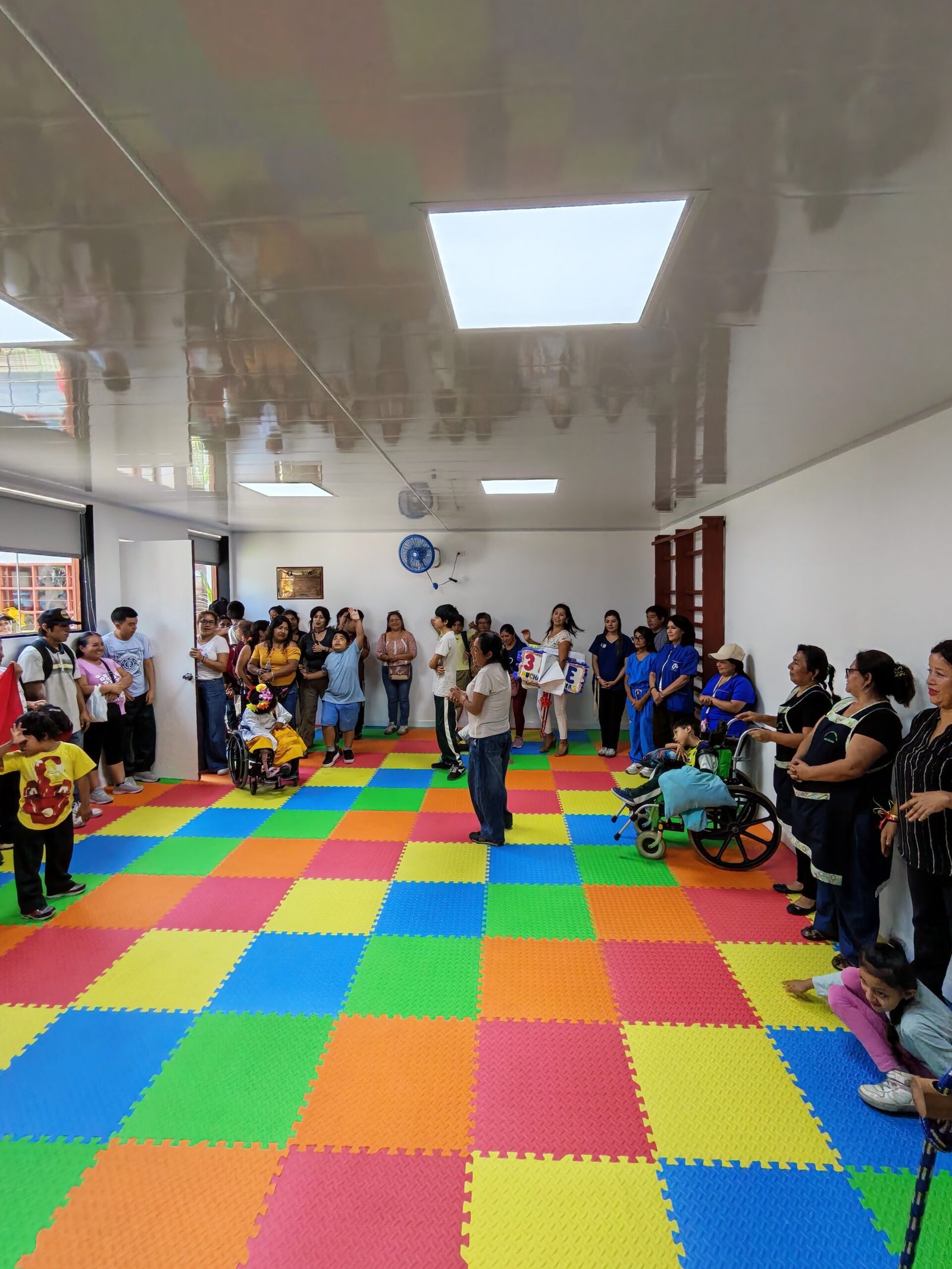
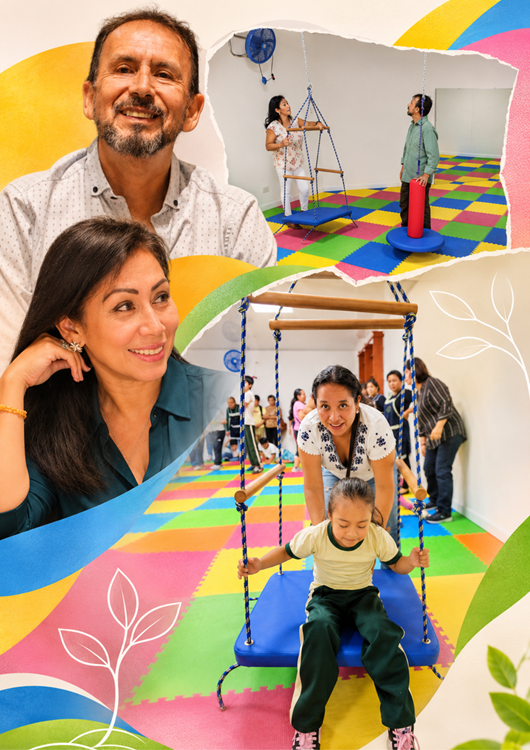
On October 6, the renovated Multisensory Classroom at CEBE Beato Edmundo Rice in Lima, Peru, was inaugurated. This project, implemented by 3Love Inc. thanks to the generous support of various donors, will now allow this classroom to become a space designed to provide new opportunities for learning, development, and well-being to the school’s students, strengthening their autonomy, inclusion, and quality of life.
In this interview with Janeth Martínez, Director of International Projects at 3Love Inc., and José Muñoz, the architect in charge of the project, we discussed the scope of the new Multisensory Classroom, its importance for children with disabilities, and the benefits it will bring to the entire educational community.
José, tell us what the Multisensory Classroom project—which has been implemented at the Beato Edmundo Rice School—entailed.
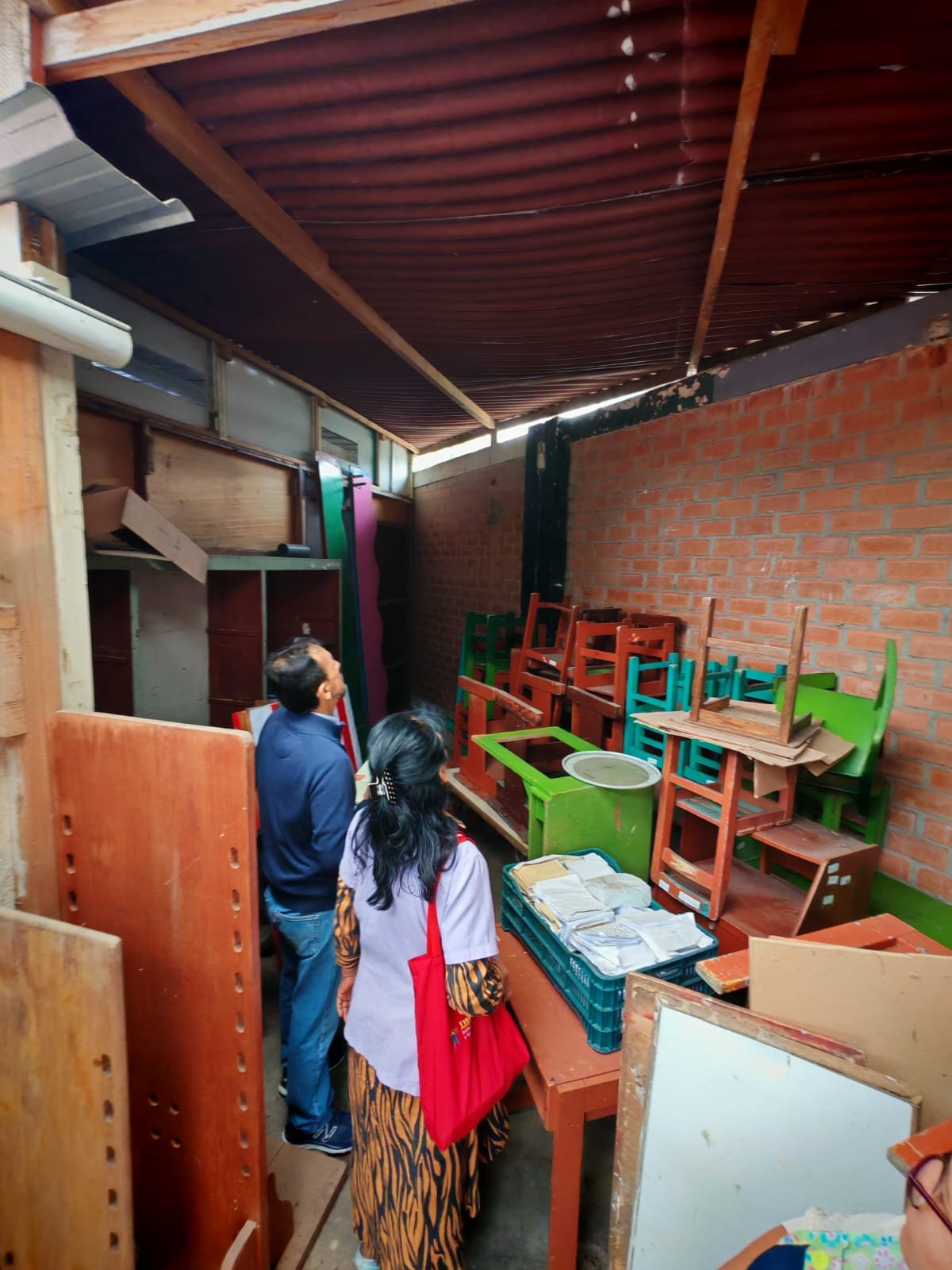
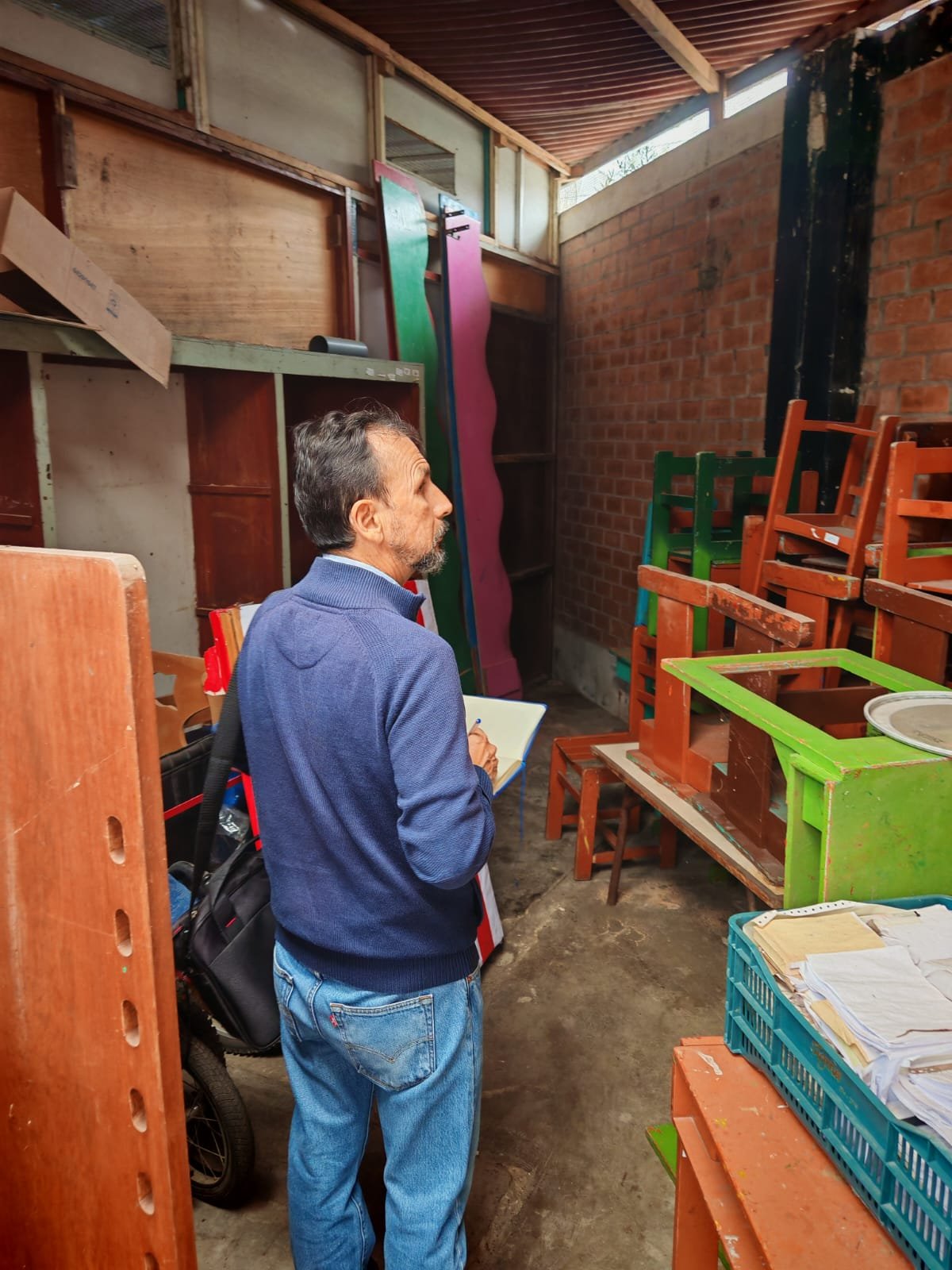
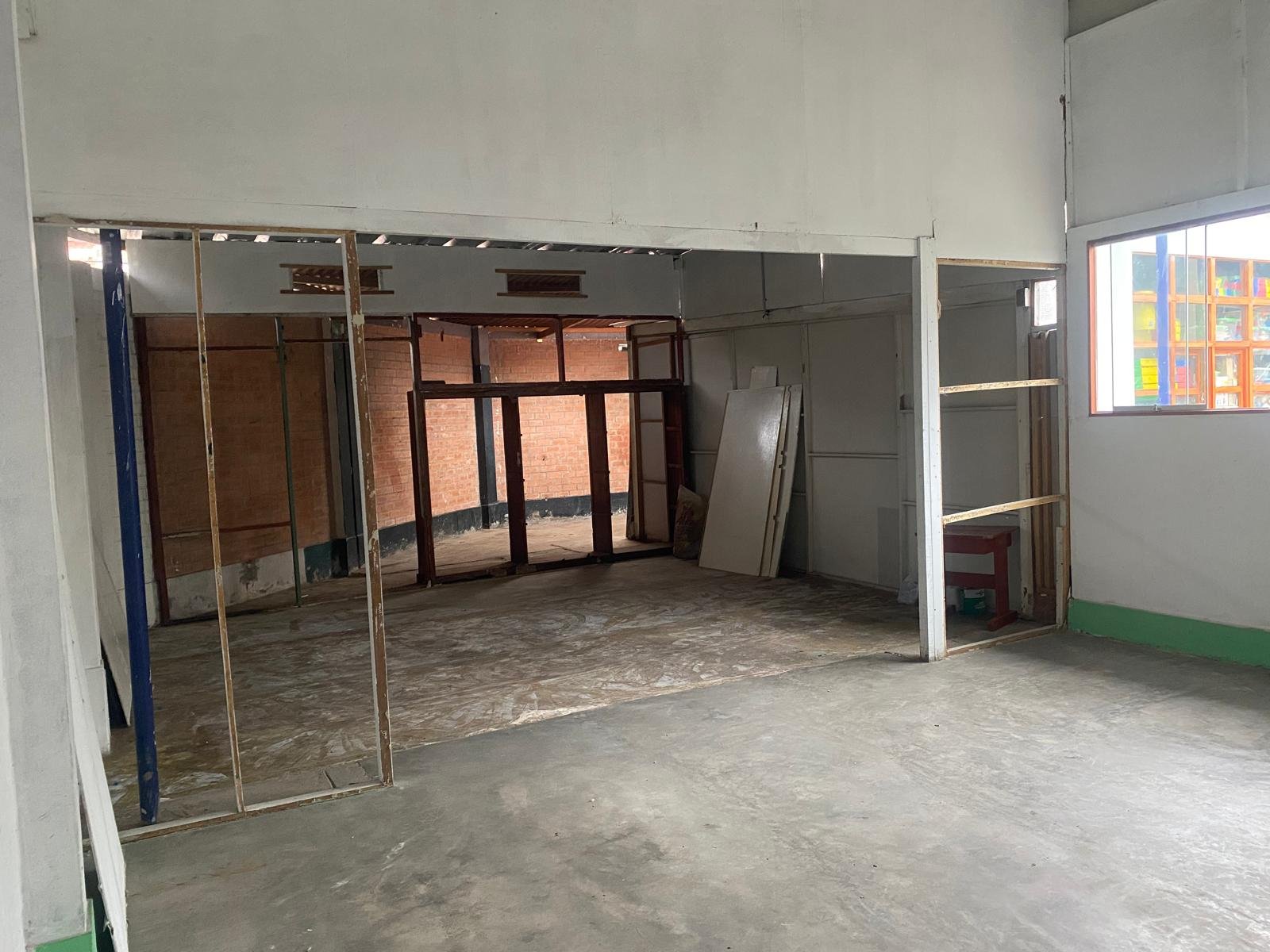
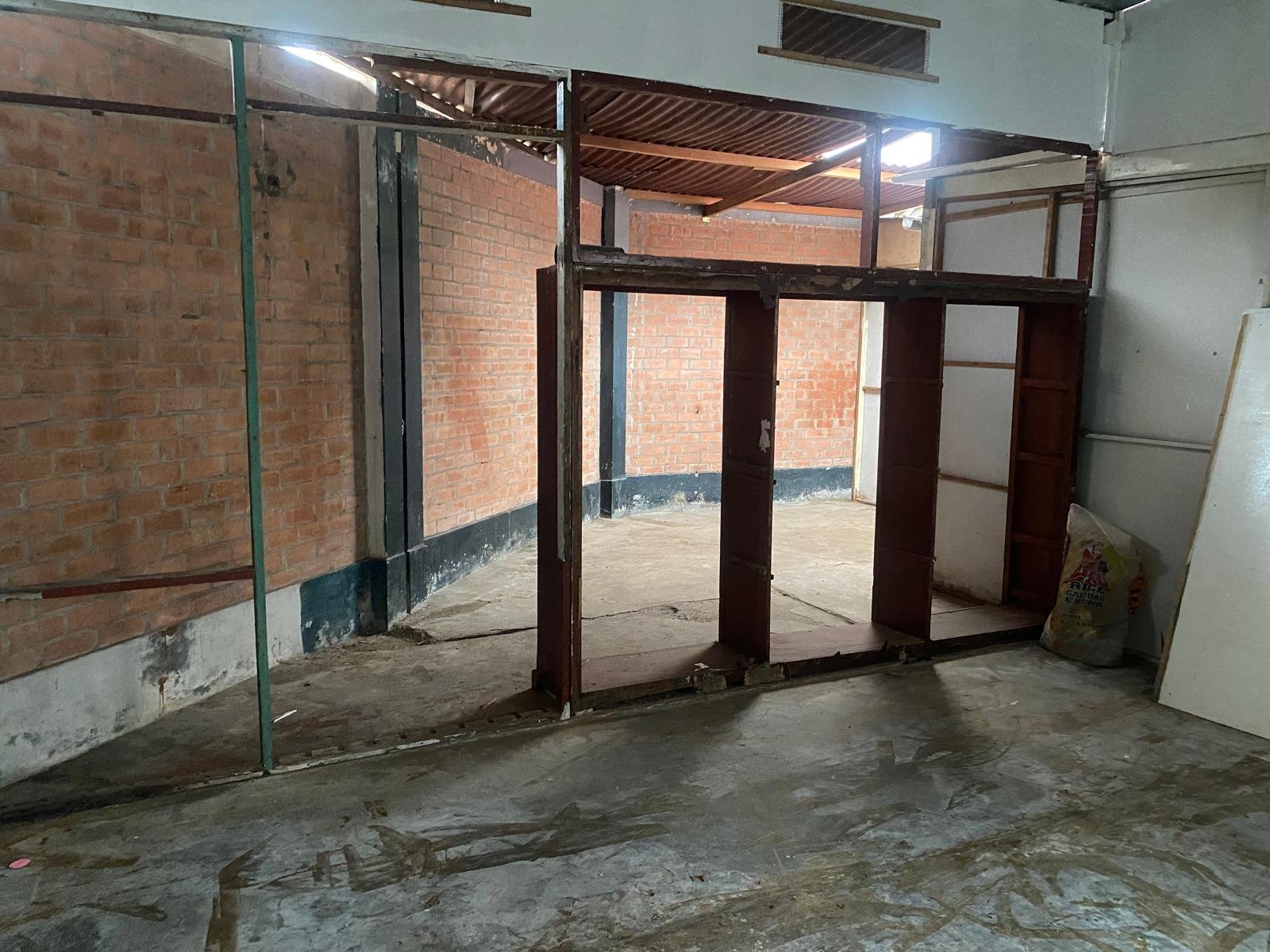
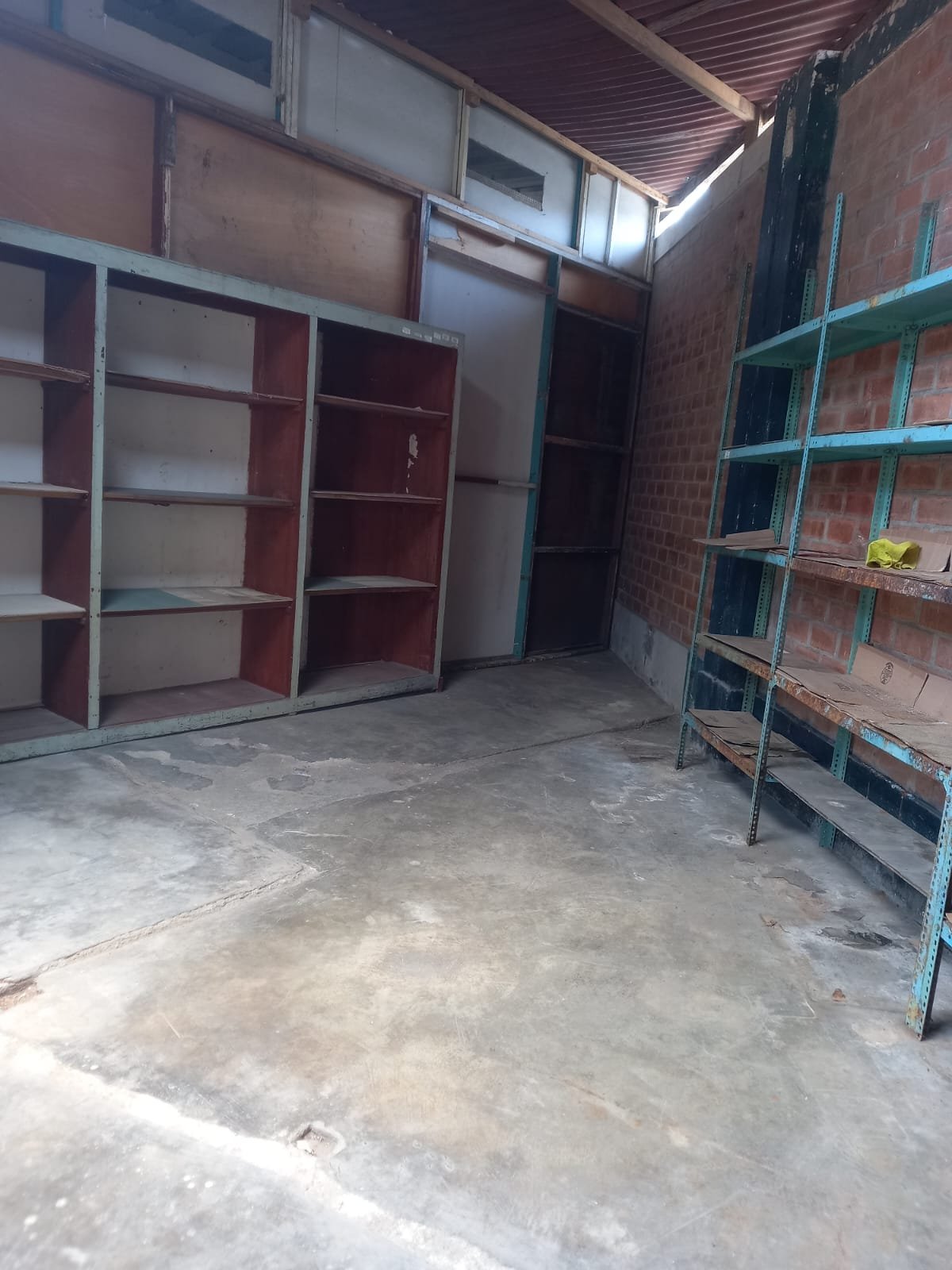
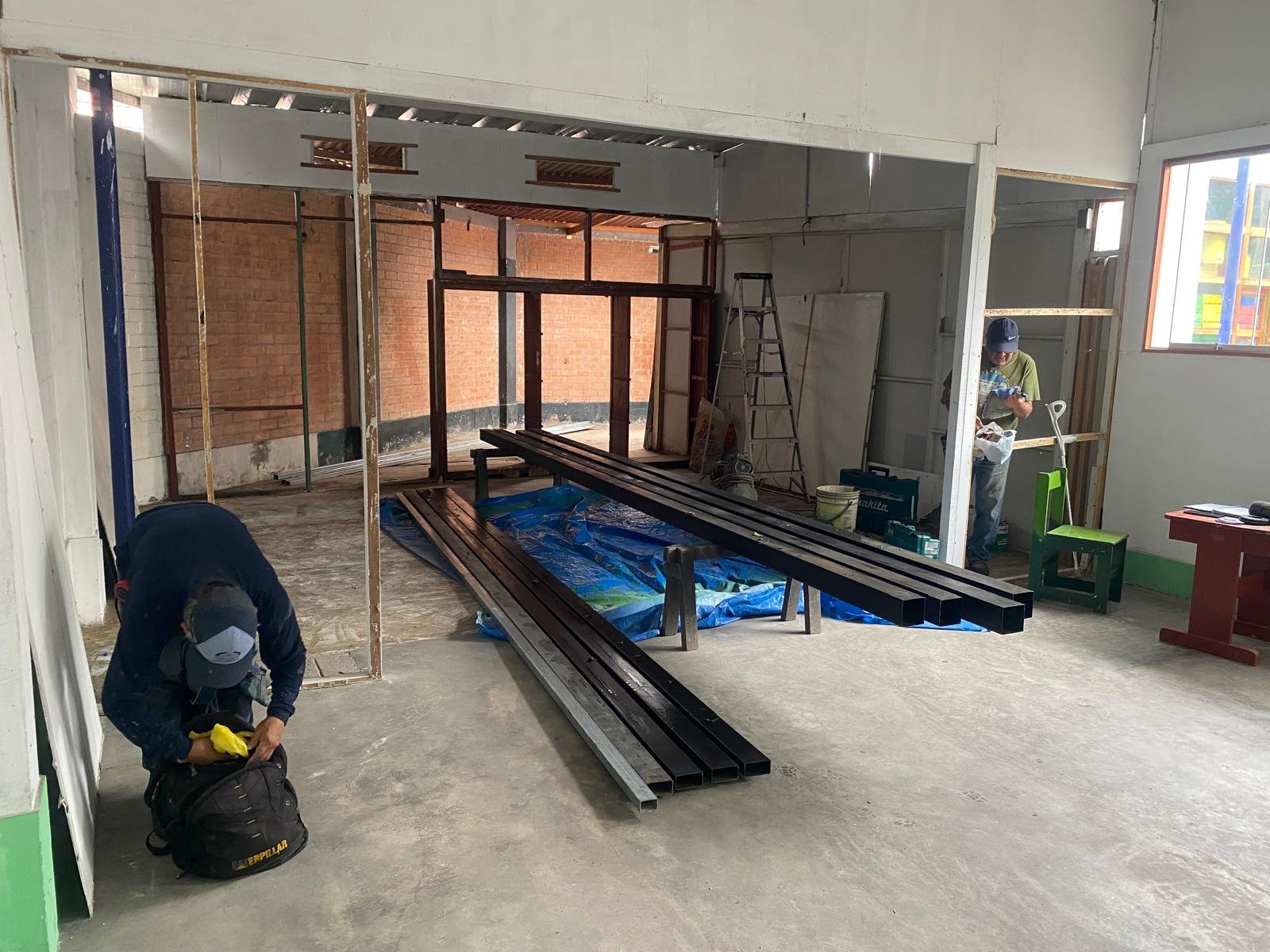
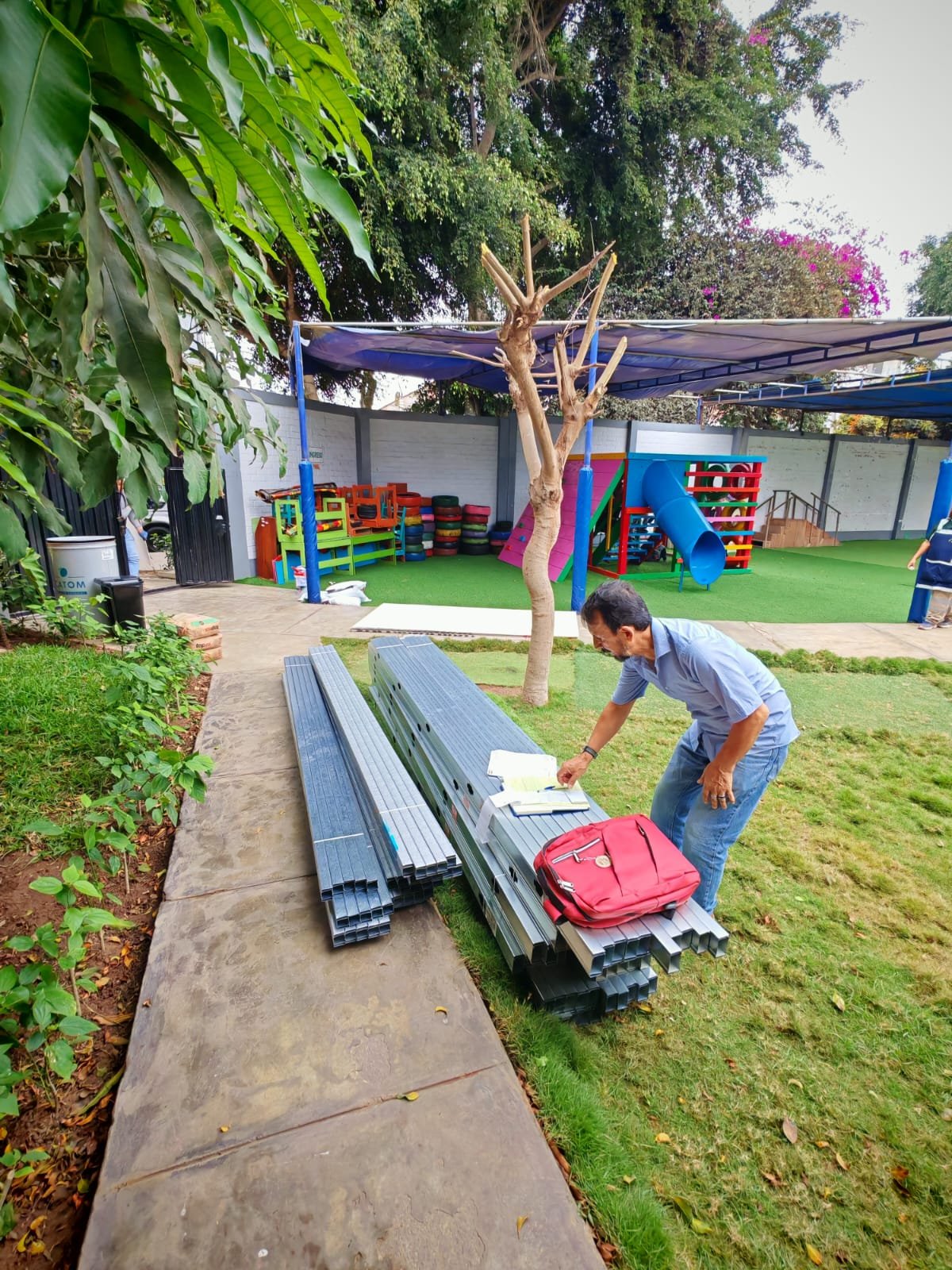
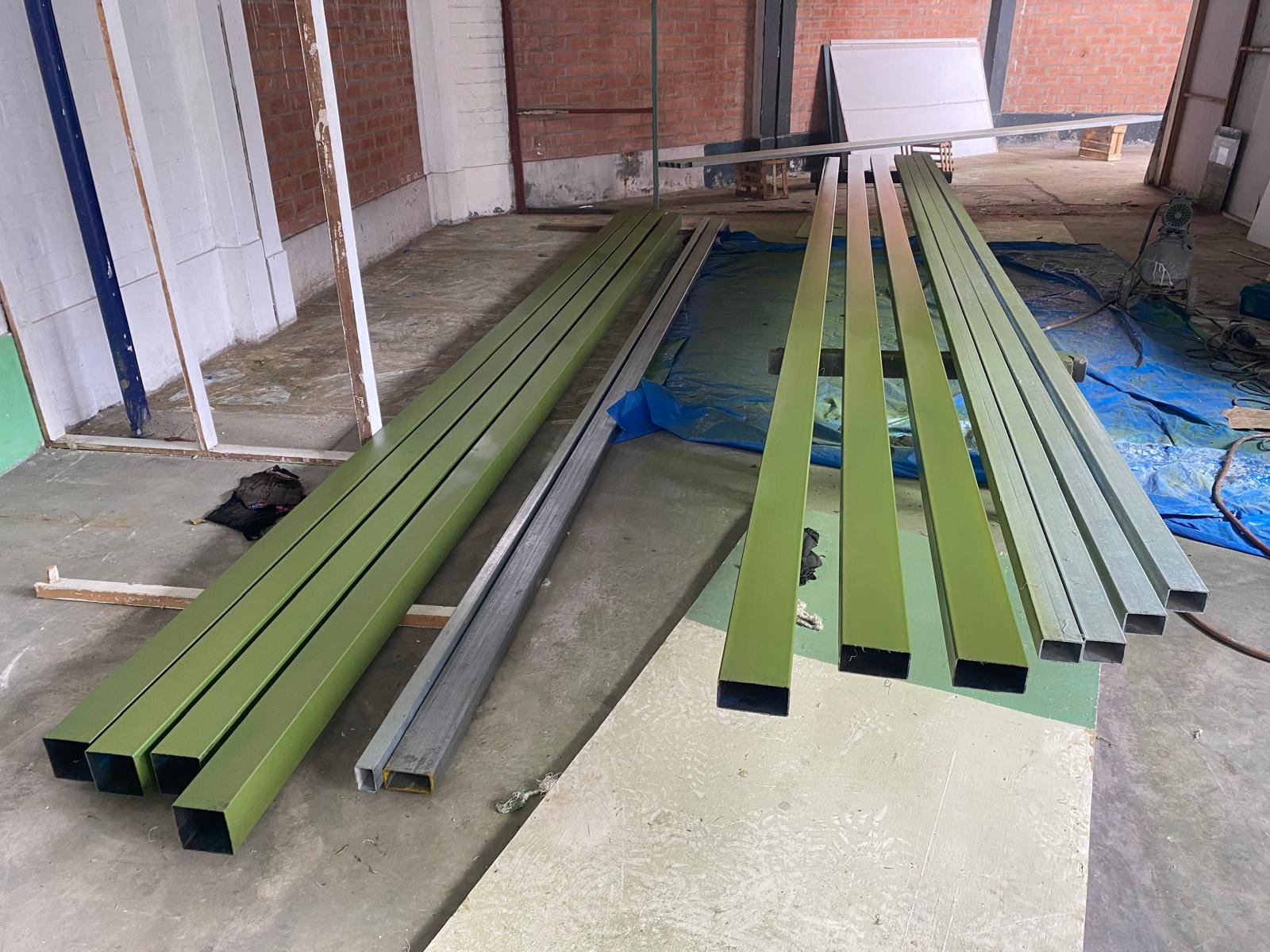
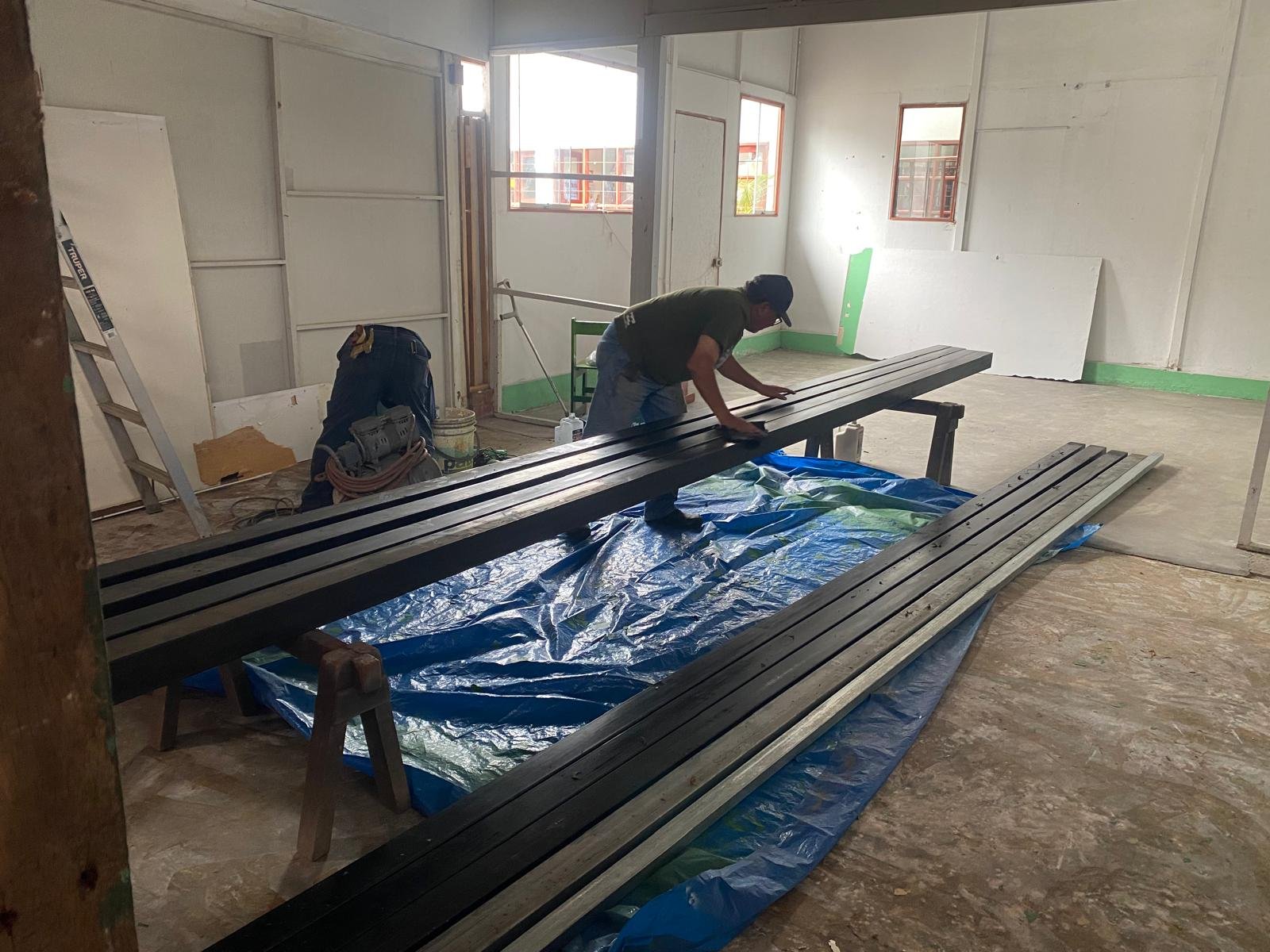
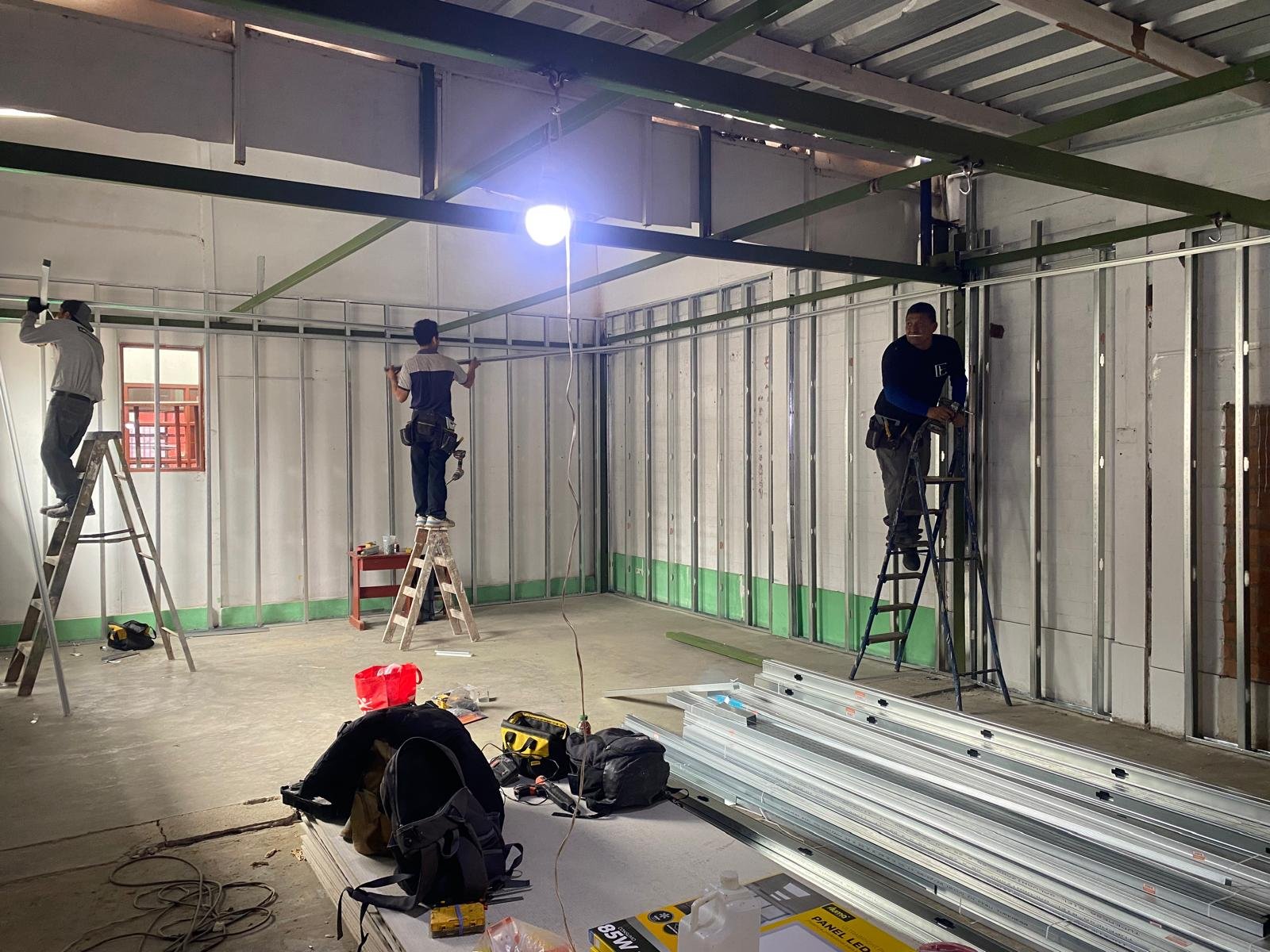
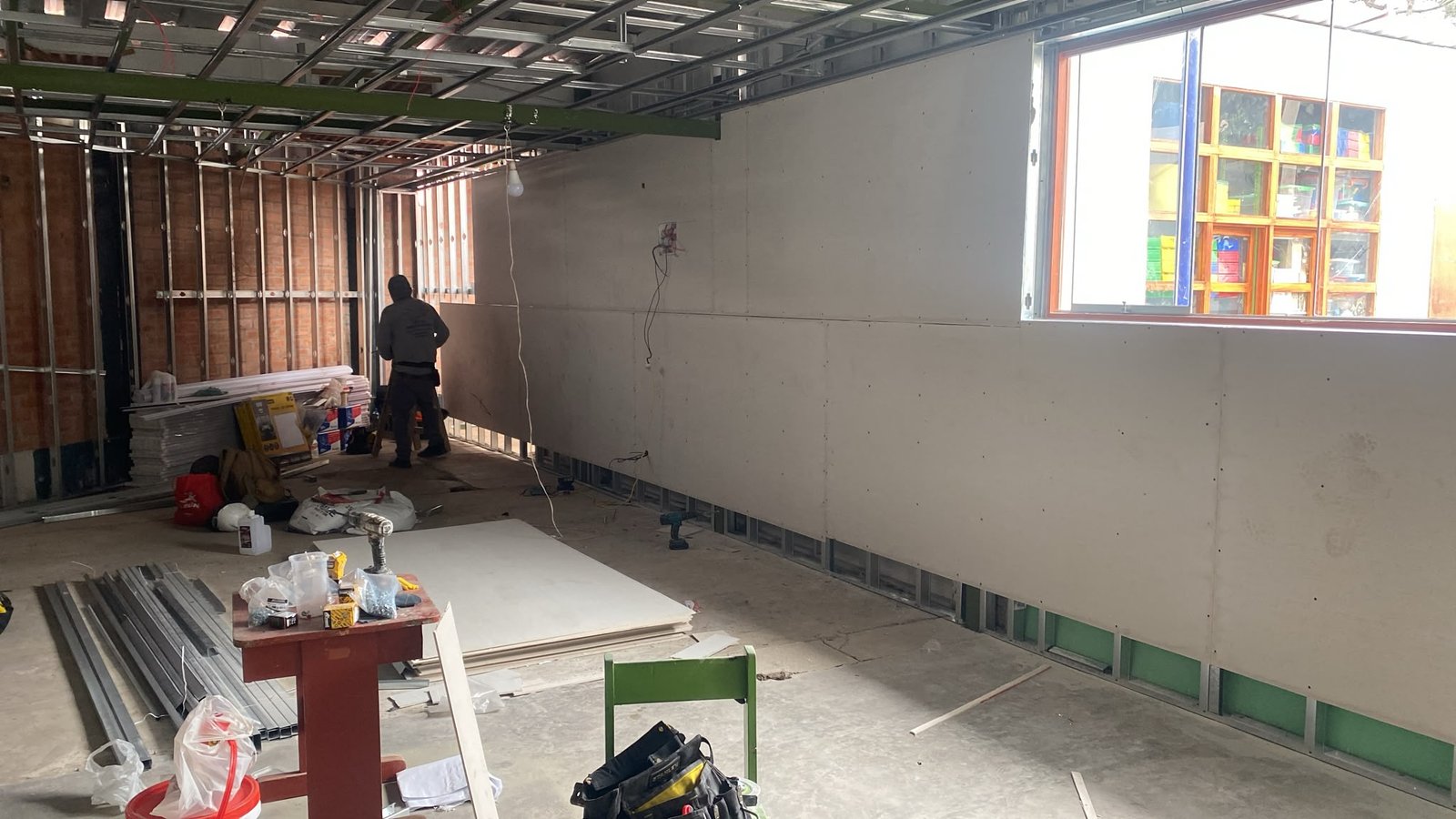
José Muñoz: The project involved the complete remodeling of a space that wasn’t originally designed to serve the purposes it was being used for at the time. It was a space that had certain barriers—or rather, hazards—which were removed so that these children could stay there safely and, as a result, develop in a completely secure environment. The project also included the installation of equipment, specifically the adaptation of spaces for sensory swings. This helps children with autism in particular—it supports their development—and the same is true for children with limited mobility. That space was transformed and adapted to their specific needs. In other words, what we call barrier-free architecture was implemented in that space.
Janeth, how do you think this project will benefit the CEBE educational community—including students, teachers, therapists, and parents?
Janeth Martínez: First of all, the project we’ve come here to develop will boost motivation. I think it will motivate the therapists, all the teachers at the school, the parents, and, consequently, the children—who are the ones who will truly benefit—but it will also benefit the entire school and the community, which is centered on the needs of these children with disabilities. I think it’s important for parents to understand that these types of projects are very complex, because we have to find an alternative space where the children can receive their therapies while the project is being implemented. That also requires planning—figuring out how we’re going to do things so that the process is productive—and I think both parents and therapists see the whole process. The children may not see it in the same way we do, but I believe they can appreciate it more, and it will be reflected in the progress they make through these therapies. In short, this is something we’ve been doing for more than three years in these types of schools, and I think “motivation” is a good word to describe why this continues to bear fruit for these children.
José, why is it important for an educational center for children and adolescents with disabilities to have the right infrastructure and be well-equipped?
José Muñoz: The infrastructure itself is part of the therapy. In a poorly designed space, children cannot thrive. On the other hand, a well-designed space helps foster the child’s independence. It’s important for the space to be adapted to the child’s needs, rather than the child having to adapt to the space—which is what was happening in this case.
Janeth, 3Love Inc. has carried out several infrastructure projects in educational centers for children with disabilities. Why does the organization choose to focus on projects related to education and children?
Janeth Martínez: 3Love Inc. focuses on three areas. First, vulnerable populations, which in this case include people with disabilities, vulnerable women, and the elderly. The second area is the environment, which involves helping the planet, and the third is animals. So, I think that from the very beginning, we’ve focused more on vulnerable populations—in this case, children with disabilities—because we believe this is a very critical issue, especially in this country. I think many people are unaware or don’t realize that these children cannot thrive in the same way as a child without a disability, but ultimately, all children have a different way of learning, and all children have different abilities. So, by focusing on this population, what we’re doing is addressing that need, but also nurturing those abilities through multisensory classrooms so they can move forward rather than fall behind. That’s important because it also fosters inclusion, and inclusion is vital in society. It helps children learn to be around other children who are different—perhaps because they learn differently, not necessarily because they can’t learn. This helps these children develop values such as compassion, humility, and empathy. I believe it’s important to plant that seed in schools like these that practice inclusion.
José, you’ve had the opportunity to travel to Peru on several occasions to contribute your work and expertise to various 3Love Inc. projects in Lima and other regions of the country. What motivates you to continue working to improve the quality of life for people, animals, and the environment?
José Muñoz: The most important motivation is seeing a project that was conceived 10,000 kilometers away with just a sheet of paper and a pencil become a reality. That’s truly satisfying. I also think the smile on a mother’s face when she sees that project is important. That fills you with joy and satisfaction. As for the rest, I’ll keep coming to Peru, because right now it’s like my second home. I’ve made four trips with the organization and two on my own—that’s six trips to Peru—and I’ll keep coming as long as my health allows and I have the opportunity. As for the organization’s three pillars, I believe they’re interconnected. A child cannot be happy or thrive if they live in a polluted environment. A child cannot be happy if their parents don’t teach them to love other living beings. I think that’s the most important thing.
By: Juan Carlos Ugarelli.