
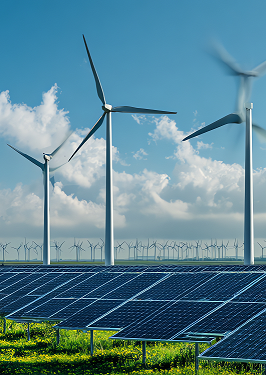
International Clean Energy Day is celebrated on January 26 to raise awareness among the population and mobilize efforts towards a just and inclusive transition to clean energy for the benefit of people and the planet.
What is clean energy?
Clean energy refers to energy sources that do not emit greenhouse gases or other pollutants during their production. Green energy, on the other hand, comes exclusively from natural sources. But clean energy can encompass both renewable and non-renewable sources.
A good way to remember what type of energy is considered “clean” is to think of “clean air.” Clean energy comes from sources that do not emit pollutants such as carbon dioxide, methane, and nitrous oxide into the atmosphere.
Clean energy for all
Energy faces a dual challenge: leaving no one behind and protecting planet Earth. And to achieve this, clean energy is key.
In a world facing the threat of climate change, clean energy reduces emissions and has the capacity to distribute electricity to communities that lack access to reliable energy sources. Currently, 666 million people live in complete darkness; more than 85% of them are in sub-Saharan Africa.
The connection between clean energy, socioeconomic development, and environmental sustainability is crucial to addressing the problems faced by vulnerable communities around the world.
For example, in communities without access to clean energy, the lack of energy security hinders education, healthcare, and economic opportunities, and many of these developing regions still rely heavily on polluting fossil fuels for their daily lives, perpetuating poverty. It is estimated that more than 1.5 billion people living in rural areas still use unsafe, unhealthy, and inefficient cooking systems, such as burning wood or dung. The situation is even more critical in sub-Saharan Africa, where the number of people without access to clean cooking methods continues to increase at a rate of 14 million people per year due to population growth.
Although the situation has gradually improved, the world is still far from achieving the United Nations Sustainable Development Goal 7, which seeks to ensure access to affordable, reliable, sustainable, and modern energy for all by 2030.
On a positive note, remarkable progress is being made in the transition to clean energy. Per capita installed renewable energy capacity has continued to grow each year, reaching a new high of 341 watts per capita in developing countries, up from 155 watts in 2015.
Clean energy for our planet
The challenge of adopting clean energy is also critical in the fight against climate change.
A large amount of the greenhouse gases that cover the Earth and trap the sun’s heat are generated by energy production, through the burning of fossil fuels (oil, coal, and gas) to generate electricity and heat.
The science is clear: if we want to limit climate change, we must avoid relying so heavily on fossil fuels and invest more in alternative energy sources that are clean, accessible, affordable, sustainable, and reliable. Renewable energy sources, which are abundant in our environment, whether provided by the sun, wind, water, waste, or the Earth’s own heat, are renewed by nature itself and emit few (if any) pollutants or greenhouse gases into the air.
Improving energy efficiency is also key. This means consuming less energy to achieve the same results, through more efficient technologies in the transport, housing, lighting, and electrical appliance sectors. This saves money, reduces pollution, and helps ensure universal access to sustainable energy.